Is a Chrome Faucet the Right Choice for Your Bathroom or Kitchen in 2026?
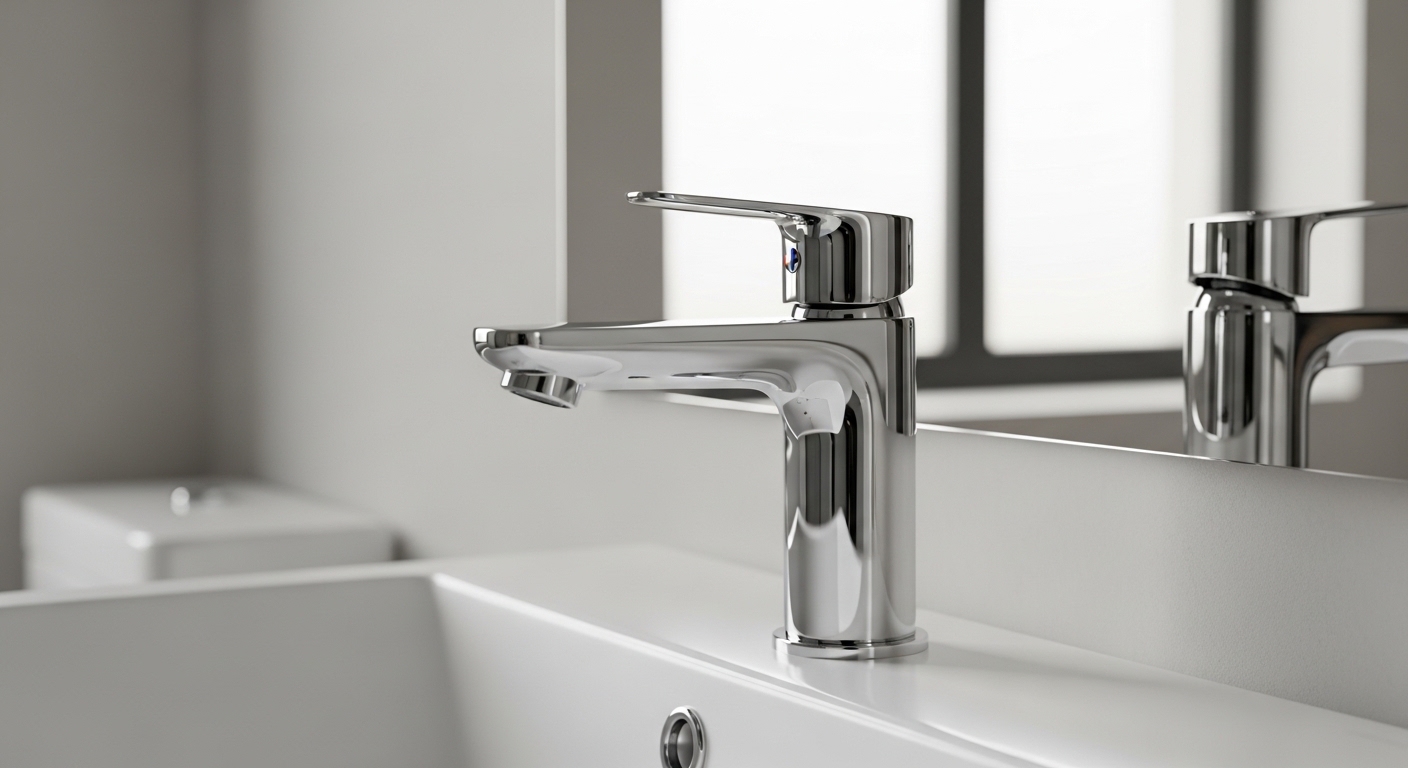
If you’ve been comparing finishes and keep circling back to the question “should I just get a chrome faucet?”, you’re not overthinking it — you’re asking the right question. A chrome faucet is a fixture finished with a bright, mirror-like layer of chromium applied over a nickel-plated brass or zinc body. It’s the finish you’ve seen your whole life in hotels, apartments, and family bathrooms, and there’s a reason it never went away: it’s cheap to produce, tough against corrosion, and it goes with everything. Below, we’ll answer the real questions people actually ask before buying — durability, cleaning, cost, how it compares to brushed nickel and matte black, and whether it still looks current in 2026.
What exactly is a chrome faucet, and why is it so popular?
A chrome faucet is a faucet coated with chromium through an electroplating process, giving it that signature bright, reflective, silvery-blue shine. It’s popular because it hits the sweet spot of price, durability, and versatility better than almost any other finish on the market.
Here’s what’s actually happening under that shine. Most quality faucets start with a solid brass or zinc-alloy body. That body gets plated with a layer of copper and nickel, and then a thin, hard layer of chromium goes on top. The chromium is what you see and touch — it’s extremely hard (it sits high on the mineral hardness scale), it doesn’t tarnish, and it shrugs off the daily moisture that would corrode a bare metal fixture. That’s why polished chrome has been the default in commercial bathrooms for decades: it takes abuse and keeps looking new.
The other reason for its staying power is simple — chrome is neutral. It reflects the colors around it instead of imposing its own, so it blends into a traditional farmhouse bath just as easily as a sleek modern kitchen. When you’re not sure your decor will stay the same in five years, a neutral finish is the safe money.
Is a chrome faucet durable, or will it wear out fast?
Chrome is one of the most durable faucet finishes you can buy — a quality chrome faucet will typically look great for 10 to 20+ years with basic care. The chromium layer is harder than the brass underneath it, so it resists scratching, chipping, and corrosion far better than painted or powder-coated finishes.
The thing that separates a chrome faucet that lasts 20 years from one that flakes in 3 isn’t the chrome itself — it’s what’s under it. On a cheap faucet with a thin, poorly bonded plating over a zinc body, the chrome can eventually peel or bubble, especially around the base where water pools. On a well-made faucet with proper multi-layer nickel-chrome plating over solid brass, that essentially never happens. This is why the underlying build quality matters more than the marketing.
A few things genuinely damage chrome, and they’re all avoidable:
- Abrasive pads and powders. Steel wool, scouring pads, and gritty cleansers will micro-scratch the mirror surface and dull it permanently.
- Harsh acid or bleach cleaners left to sit. Toilet-bowl cleaners and strong acids can etch or discolor the plating over time.
- Hard-water mineral buildup left unwiped. It won’t destroy the chrome, but layers of scale dull the shine and can be a pain to remove once baked on.
Avoid those three and a chrome faucet is close to bulletproof. If you’re dealing with heavy mineral deposits already, our guide on how to clean hard water stains from a faucet walks through the safe, non-abrasive method step by step.
Does a chrome faucet show water spots and fingerprints more than brushed nickel?
Yes — this is the one real downside of chrome. Its high-gloss, mirror surface shows water spots, fingerprints, and dried mineral streaks more readily than a brushed or satin finish, which hides marks in its textured surface. If low-maintenance appearance is your top priority and you have hard water, brushed nickel is the more forgiving choice.
That said, the flip side is that chrome is far easier to clean than it is to keep spotless. A quick wipe with a damp microfiber cloth and a buff dry brings it right back to a mirror shine — no special products needed. Brushed finishes hide spots but can trap grime in their texture; chrome shows everything but wipes clean in seconds. It’s a trade-off between “hides dirt” and “cleans instantly.”
For a fast comparison of the two most popular silver-tone finishes:
| Factor | Polished Chrome | Brushed Nickel |
|---|---|---|
| Look | Bright, mirror-like, cool silver-blue | Soft, satin, warm silver-gray |
| Shows fingerprints & spots | Yes — noticeable | Minimal — hides them |
| Ease of cleaning | Very easy — wipe & buff | Easy, but texture can trap grime |
| Typical cost | Lowest | Slightly higher (10–25% more) |
| Best for | Budget, classic/modern, high-shine look | Hard water, low-maintenance homes |
| Durability | Excellent | Excellent |
If you’re torn between these two, our deep dive on whether brushed nickel faucets are worth it lays out exactly who each finish suits best.
How much should a chrome faucet cost, and is it cheaper than other finishes?
Chrome is almost always the least expensive finish for any given faucet model — often 10% to 30% cheaper than the same faucet in brushed nickel, matte black, or bronze. Expect to pay roughly $40–$90 for a solid bathroom chrome faucet and $90–$220 for a quality kitchen chrome faucet in 2026.
The reason chrome costs less isn’t lower quality — it’s that chrome plating is the standard, high-volume finish, so manufacturers produce it at scale. Specialty finishes like matte black, champagne bronze, or brushed gold require extra coating steps (often a PVD process) and lower production volumes, which pushes their price up. So with chrome, you’re frequently getting the same faucet body and cartridge for less money — you’re just skipping the premium finish surcharge.
Here’s a realistic price-and-value snapshot by finish, for a comparable mid-range faucet:
| Finish | Typical price tier | Maintenance | Style vibe |
|---|---|---|---|
| Polished Chrome | $ (lowest) | Wipe often to stay spotless | Classic + modern, timeless |
| Brushed Nickel | $$ | Low | Warm, transitional |
| Matte Black | $$$ | Shows dust/water film | Bold, contemporary |
| Brushed / Champagne Bronze | $$$ | Low | Warm, upscale |
If your main goal is getting a well-built faucet without paying a finish premium, chrome stretches your budget the furthest — which is exactly why it’s still the most-sold finish worldwide.
Does a chrome faucet still look modern in 2026, or is it dated?
Chrome is not dated — it’s timeless, and in 2026 polished chrome is having a genuine resurgence in modern and minimalist bathrooms. Because it’s a neutral, reflective finish, it never locks you into a trend the way a bold color finish can.
What changed is the shape, not the shine. The chrome finish that looked “builder-grade” in a 2005 bathroom was usually paired with a chunky, ornate faucet body. Today’s chrome faucets come in clean, architectural silhouettes — slim single-handle designs, gooseneck kitchen spouts, waterfall spouts — and in those shapes chrome reads as crisp and contemporary, not dated. Designers also love that chrome’s reflectivity makes small bathrooms feel brighter and larger.
The practical case for chrome in 2026 is coordination. Your existing towel bars, drain, showerhead, and toilet handle are very often already chrome or polished. Matching a chrome faucet to hardware you already own is effortless and free — whereas switching everything to matte black or bronze means replacing accessories too. If you want a cohesive room without a full hardware overhaul, chrome is the low-effort win.
Chrome faucet in the kitchen vs. the bathroom — does it matter?
Chrome works beautifully in both, but the priorities differ: in the bathroom, chrome’s shine and easy cleaning shine most; in the kitchen, chrome’s corrosion resistance and value make it a workhorse — just expect to wipe it more often because kitchen faucets get touched with wet, greasy hands constantly.
In the bathroom, a chrome faucet coordinates naturally with chrome shower fixtures, drains, and accessories, and its reflectivity keeps a small powder room feeling open. If you’re planning a full bathroom fixture selection, our guide on how to choose the right bathroom faucet covers hole spacing, handle types, and spout height alongside finish.
In the kitchen, the main thing to plan around is fingerprints — you’ll touch a kitchen faucet dozens of times a day. Many people solve this by choosing chrome for the bright classic look and simply keeping a microfiber cloth nearby, since chrome wipes clean instantly. If you’re upgrading and installing yourself, our walkthrough on how to install a kitchen faucet step by step makes it a one-afternoon job.
How do you keep a chrome faucet spotless? (a 60-second routine)
The fastest way to keep a chrome faucet looking new is a quick daily wipe with a damp microfiber cloth followed by a dry buff — that’s it. For spots and light mineral film, a 50/50 mix of white vinegar and water dissolves buildup without harming the plating.
- Daily: After the last use, wipe the faucet with a damp microfiber cloth and buff dry. This stops water spots before they form.
- Weekly: Wipe with a soft cloth dampened in mild dish soap and warm water, rinse, and dry.
- For hard-water spots: Spray a 50/50 white vinegar and water solution, let it sit 5 minutes (not longer), wipe, rinse thoroughly, and dry. For stubborn scale around the aerator, wrap a vinegar-soaked cloth around it for a few minutes.
- Never use: steel wool, abrasive scrub pads, gritty powders, or bleach-based cleaners.
If your faucet’s flow has dropped along with the shine, mineral buildup in the aerator is usually the culprit — here’s how to unclog a sink aerator in about 10 minutes.
Who should buy a chrome faucet — and who shouldn’t?
Buy chrome if: you want the best value, a timeless finish that matches everything, easy cleaning, or you’re coordinating with existing chrome hardware. Consider a brushed finish instead if: you have very hard water, a house full of fingerprints (young kids), and you’d rather never see a water spot.
In plain terms: chrome is the practical, budget-smart, can’t-go-wrong choice. Brushed nickel is the “I don’t want to think about maintenance” choice. Matte black or bronze is the “I want a specific design statement” choice. None is wrong — chrome is simply the one that fits the most homes for the least money.
FAQ
Is a chrome faucet good for hard water?
Chrome holds up fine against hard water — the plating won’t corrode — but it will show mineral spots more visibly than a brushed finish. If you have hard water and want minimal upkeep, wipe the faucet dry after use, or choose brushed nickel. The chrome itself is not damaged by hard water; only its appearance is affected until you wipe it.
Does a chrome faucet scratch easily?
No. Chromium is one of the hardest finishes available and resists everyday scratching well. The only real risk is abrasive cleaning — steel wool, scouring pads, and gritty powders will dull and micro-scratch the mirror surface. Stick to soft cloths and mild cleaners and a chrome faucet stays scratch-free for years.
Is polished chrome the same as chrome?
Essentially yes — “chrome” almost always means polished chrome, the bright mirror finish. You may also see “brushed chrome” or “satin chrome,” which is the same chromium plating with a matte, textured surface that hides fingerprints. When a listing just says “chrome,” expect the bright, reflective version.
Will a chrome faucet match stainless steel appliances or a stainless sink?
Yes, and it’s a common, low-risk pairing. Stainless steel has a slightly warmer, more muted tone than bright chrome, but the two coordinate well because both read as neutral silver. If you want a more exact match to a brushed stainless sink, brushed nickel is closer — but chrome next to stainless looks intentional and clean, not clashing.
How long does a chrome faucet last?
A quality chrome faucet lasts 10 to 20+ years, and the finish itself often outlives the internal cartridge, which is a replaceable wear part. Longevity depends far more on the underlying build (solid brass body with proper multi-layer plating) than on the chrome layer. Buy from a brand that backs the faucet with a real warranty and you’re set for the long haul.
Can I mix a chrome faucet with other finishes in the same room?
You can, and designers do it deliberately. A common approach is keeping all your “wet” fixtures (faucet, showerhead, drain) in chrome for a cohesive look, while letting cabinet hardware or lighting be a different finish like matte black or brass. The key is being intentional — pick one metal to dominate and let the second be an accent.
About the author: This guide was written by the Afinion Home fixtures team — product specialists who spec, test, and install kitchen and bathroom faucets every week. We’ve evaluated hundreds of faucet finishes side by side in real homes with real water conditions, not just spec sheets.
Why trust Afinion Home: Afinion Home designs and sells kitchen and bathroom faucets and fixtures built on solid-brass bodies with multi-layer nickel-chrome plating. Our faucets are tested to meet ANSI/NSF and cUPC standards for lead-free safety and durability, and our chrome faucets are backed by a limited lifetime warranty on finish and function — so if a finish ever fails under normal use, we stand behind it. For a real head-to-head between a major brand and ours, see our comparison of a widespread faucet by Delta or Afinion Home.