
Is a Tap Water Filter From Dischem Actually Worth It, or Should You Fit One to Your Faucet Instead in 2026?
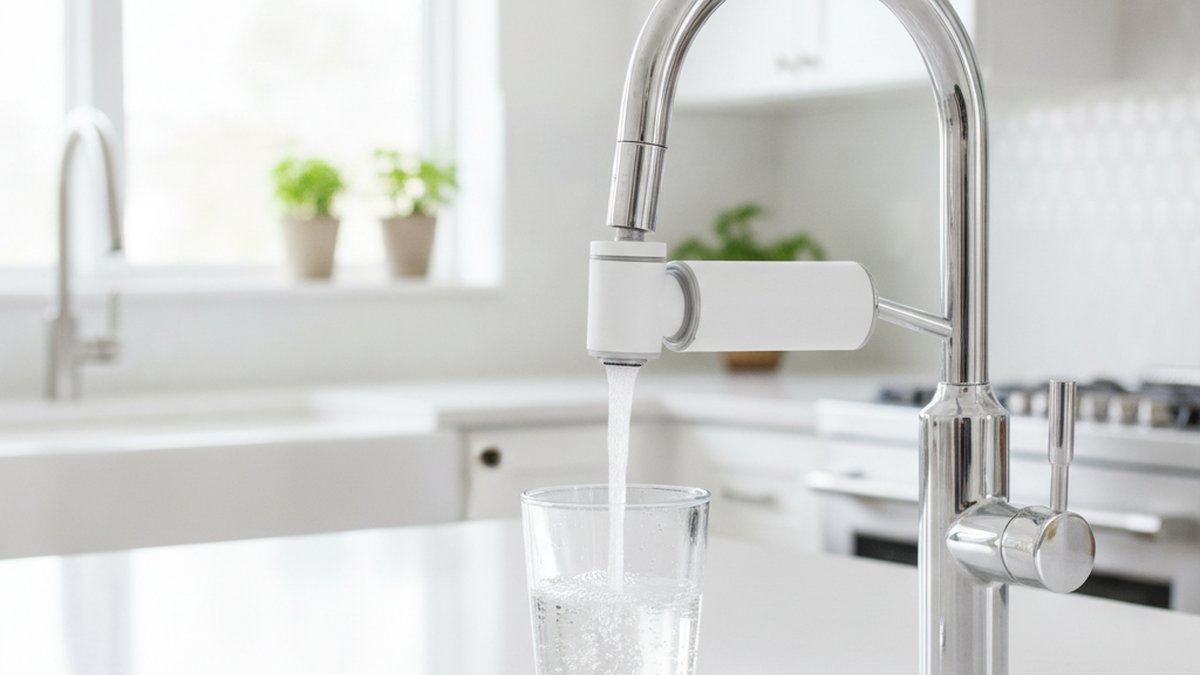
If you’ve been searching “tap water filter dischem” hoping to find one product that solves your water-quality worries in a single tap, here’s the honest answer: Dischem is a great place to grab an entry-level filter jug or a basic faucet attachment, but it’s a pharmacy-and-lifestyle retailer, not a plumbing specialist — so the range is deliberately simple. That’s not a bad thing. It just means you should know exactly what problem you’re solving (taste? chlorine smell? sediment? hard water scale?) before you decide whether a Dischem-style filter is enough, or whether you should fit a proper filter to your faucet. This guide walks you through both, in plain language, so you buy once and buy right.
What kind of tap water filter does Dischem actually sell?
Dischem typically stocks three categories: pour-through filter jugs (the most common), simple faucet-mount attachments that clip onto your tap, and occasionally gravity or countertop dispensers. What you almost never find there is a plumbed-in under-sink system or a reverse-osmosis unit — those come from dedicated water or plumbing suppliers.
The jugs are the bread and butter. You fill the top, activated carbon (often with an ion-exchange resin) does its work as water drips through, and you pour clean-tasting water from the bottom. They’re cheap, need no tools, and the replacement cartridges are easy to find. The trade-off is speed and capacity: a jug filters maybe 1–1.5 litres at a time and the cartridge lasts around 100–150 litres, or roughly a month for one or two people.
Here’s the key thing most shoppers miss: a filter jug and a faucet-mounted filter are solving slightly different problems. A jug improves the water you deliberately pour into it. A faucet filter improves every drop that comes out of your tap the moment you want it — no waiting, no refilling. If you cook, make coffee, rinse vegetables, and fill bottles all day, that difference is the whole decision.
Is a Dischem filter jug enough, or do I need a faucet-mounted filter?
A jug is enough if your only complaint is taste and chlorine smell, and your household drinks a few litres a day. Step up to a faucet-mounted or under-sink filter if you want filtered water on demand for cooking and cleaning, you have a larger household, or you’re targeting specific contaminants like lead, sediment, or a high mineral load.
Think about your real routine. If you’re forever refilling a jug and it’s never cold enough, or someone in the house drinks straight from the tap anyway, a jug quietly fails. A faucet filter with a small diverter lever lets you switch between filtered and unfiltered flow — filtered for drinking and coffee, unfiltered for washing dishes so you don’t waste cartridge life. That’s the setup most people are actually looking for when they type “tap water filter dischem” into a search bar.
One practical note: whether a clip-on faucet filter will even fit depends on your tap. Standard threaded aerator spouts are easy; pull-out sprayers and specialty spouts are not. We cover that specific compatibility question in detail in our guide on whether you can put a faucet water filter on a pull-out faucet — read it before you buy anything you’ll have to screw onto your spout.
What does a tap water filter actually remove — and what won’t it?
A standard activated-carbon filter (the kind in Dischem jugs and most faucet attachments) is excellent at chlorine, chlorine taste and odour, and many organic compounds — that’s the “it just tastes better” effect. It does far less for dissolved minerals (hardness), and a basic carbon filter does little for heavy metals or bacteria unless it specifically says so.
This is where marketing gets fuzzy, so here’s the plain breakdown:
- Chlorine & taste/odour: Handled well by almost any carbon filter, jug or faucet-mount.
- Sediment & rust particles: Handled by most faucet-mount filters with a mechanical stage; jugs are weaker here.
- Lead & some heavy metals: Only by filters certified for it (look for NSF/ANSI 53). Don’t assume.
- Hardness (calcium & magnesium / scale): Standard filters barely touch this. You need a softener or a scale-reduction media, not a taste filter.
- Dissolved solids (TDS) / total mineral load: Only reverse osmosis or a zero-TDS system removes most of this.
- Bacteria & viruses: Only filters that explicitly claim microbiological reduction, or UV/RO systems.
So if your real gripe is scale on the kettle and spotty glasses, no jug filter will fix that — that’s hard water, and the fix is different. If you’re chasing the lowest possible mineral reading, that’s a different tier of product again; we explain when it’s justified in our breakdown of whether a faucet water filter zero-TDS setup is worth it or overkill. And if the visible problem is chalky white marks on the tap itself, that’s cleaning, not filtering — here’s exactly how to clean hard water stains from a faucet.
Dischem jug vs. faucet-mounted filter vs. under-sink: which should you buy?
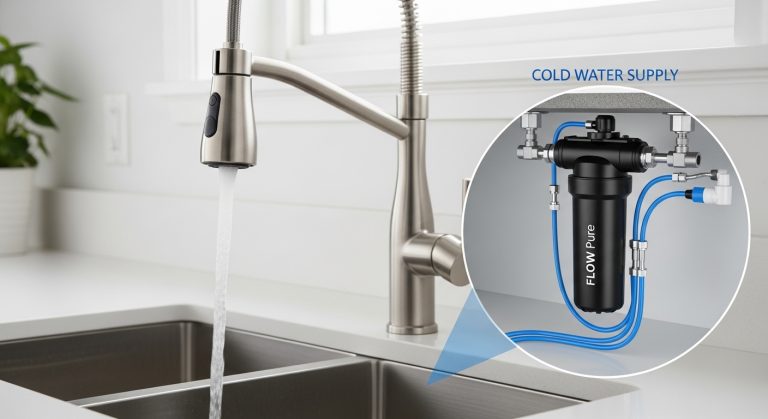
Buy a jug for the lowest cost and zero install; buy a faucet-mount for on-demand filtered water without plumbing; buy under-sink if you want the best flow and capacity and don’t mind a small fitting job. Here’s how they stack up head to head.
| Feature | Dischem-style filter jug | Faucet-mounted filter | Under-sink filter |
|---|---|---|---|
| Typical upfront cost | Lowest | Low–moderate | Moderate–higher |
| Installation | None | Screw onto aerator, 5 min | Fit to cold line, ~30–45 min |
| Filtered water on demand | No — fill & wait | Yes, instant | Yes, instant |
| Flow rate | Slow (drip) | Reduced but usable | Near-full flow |
| Cartridge life | ~100–150 L (~1 month) | ~750–1,500 L (~2–3 months) | ~4,000–11,000 L (~6–12 months) |
| Removes sediment/metals | Limited | Better (varies by model) | Best (multi-stage) |
| Best for | 1–2 people, taste only | Families, everyday drinking & cooking | Heavy use, best water quality |
Notice the cost-per-litre flips the “cheap jug” logic. A jug is cheapest to buy but most expensive per litre of filtered water because the cartridges are small and frequent. A faucet or under-sink filter costs more upfront but drops your running cost dramatically if you actually drink filtered water every day.
How do you fit a faucet-mounted water filter to your tap?
Most faucet filters install in under five minutes with no tools: you unscrew your existing aerator, screw the filter housing on in its place, and switch the little diverter to send water through the cartridge. The only real variable is thread size, and adapters usually come in the box.
- Check your spout. Look for a screw-on aerator at the tip. If it’s there and standard, you’re in business. Pull-out and hidden-aerator spouts may need an adapter or won’t work at all.
- Unscrew the aerator. Turn it (usually anticlockwise). If it’s seized with scale, wrap a cloth around it for grip and don’t force the finish.
- Match the thread. Male or female thread? Fit the correct supplied adapter and the rubber washer — this is where leaks come from if skipped.
- Screw on the filter housing hand-tight, then a small nudge. Over-tightening cracks plastic threads.
- Flush the cartridge. Run water through for a few minutes to clear carbon dust before you drink it.
- Set the diverter to filtered for drinking/cooking, unfiltered for washing — this stretches cartridge life.
If your water pressure drops to a trickle after fitting one, don’t assume the filter is faulty — a clogged or scaled aerator behind it is a common culprit. Our guide on whether faucet aerators get clogged and how to spot it early will save you an unnecessary return.
How often do you replace the cartridge, and what does it really cost?
Plan on replacing a jug cartridge roughly monthly, a faucet-mount cartridge every 2–3 months, and an under-sink cartridge every 6–12 months — and always follow the litre rating, not just the calendar. A tired cartridge doesn’t just stop working; it can become a home for bacteria and start putting taste back into your water.
The number that matters is the litre rating printed on the box, because a family of five hits that limit far faster than one person. Two quick rules keep you honest:
- Watch the flow and the taste. A slowdown or the return of a chlorine tang means the cartridge is spent, whatever the calendar says.
- Never let a wet cartridge sit unused for weeks. If you go away, replace it when you return rather than trusting old, stagnant media.
When you tot up the annual cost, the pattern is consistent: jugs win on day one and lose over a year of daily use. If you drink filtered water constantly, the faucet or under-sink route almost always ends up cheaper per litre — and far less hassle than refilling a jug several times a day.
Do you even need a filter — or is your tap water already fine?
If your municipal water is safe to drink and your only complaint is taste or the odd chlorine whiff, a filter is a comfort upgrade, not a necessity. If you’re on borehole/well water, notice sediment, or have specific health reasons, a filter (and ideally a water test) moves from “nice” to “sensible.”
Be honest about what you’re chasing. Cloudy-looking water is often just trapped air and clears in seconds. A metallic taste can point to old pipework rather than the supply. Scale and spotting are hardness, not contamination. Matching the right filter to the actual problem is the difference between money well spent and a cupboard full of cartridges you forgot to change. If you want a sanity check on the accessory side of things — like whether you need extra hose length to route a filter neatly — see our explainer on what a faucet water filter hose is and whether you actually need one.
FAQ
Is a tap water filter from Dischem good enough for drinking water?
Yes, for taste, chlorine, and general polishing of already-safe municipal water, a Dischem jug or basic faucet attachment is perfectly adequate. If you need lead reduction, microbiological safety, or hardness/scale control, you need a filter specifically certified for that (look for an NSF/ANSI claim) — a basic carbon jug won’t do it.
Does a tap water filter remove limescale and hard water?
No — standard carbon filters barely touch dissolved calcium and magnesium, which is what causes scale and spotting. For hard water you need a scale-reduction media or a water softener, not a taste filter. To deal with the marks already on your fixtures, clean them with a mild acid like diluted vinegar rather than expecting a filter to fix it.
Will a faucet-mounted filter fit my kitchen tap?
It fits if your spout has a standard screw-on aerator, which most kitchen and bathroom mixers do. Pull-out sprayers, spray-face spouts, and hidden-aerator designs often won’t accept a clip-on filter without an adapter, and sometimes not at all — check the thread type before buying.
How long does a tap water filter cartridge last?
Jug cartridges typically last a month (about 100–150 litres), faucet-mount cartridges 2–3 months, and under-sink cartridges 6–12 months. Always go by the litre rating on the box, since a big household reaches the limit much faster than one or two people.
Is a jug filter or a faucet filter cheaper in the long run?
A jug is cheapest to buy but usually the most expensive per litre because its small cartridges run out quickly. If you drink filtered water every day, a faucet-mounted or under-sink filter almost always costs less per litre over a year and saves you the constant refilling.
Can I use a filtered faucet for washing dishes too?
You can, but you shouldn’t — it wastes cartridge life on water you don’t need filtered. That’s exactly why good faucet filters include a diverter lever: filtered for drinking and cooking, unfiltered for dishes and general use.
Author note: This guide was written by the Afinion Home fixtures team, who spend their days fitting, testing, and troubleshooting faucets and tap-mounted accessories. Afinion Home designs and sells bathroom and kitchen fixtures direct to homeowners, and we test filter attachments against real spout threads and flow rates rather than repeating spec sheets. As always, verify any contaminant-specific claim against the product’s NSF/ANSI certification and check the manufacturer’s warranty on both the filter housing and cartridges before you buy.
One Comment