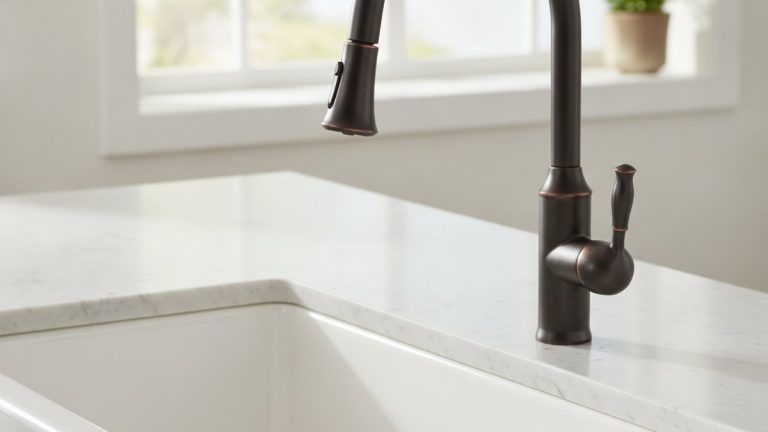
Is a Pull Down Kitchen Faucet Worth It, and Which One Should You Actually Buy in 2026?
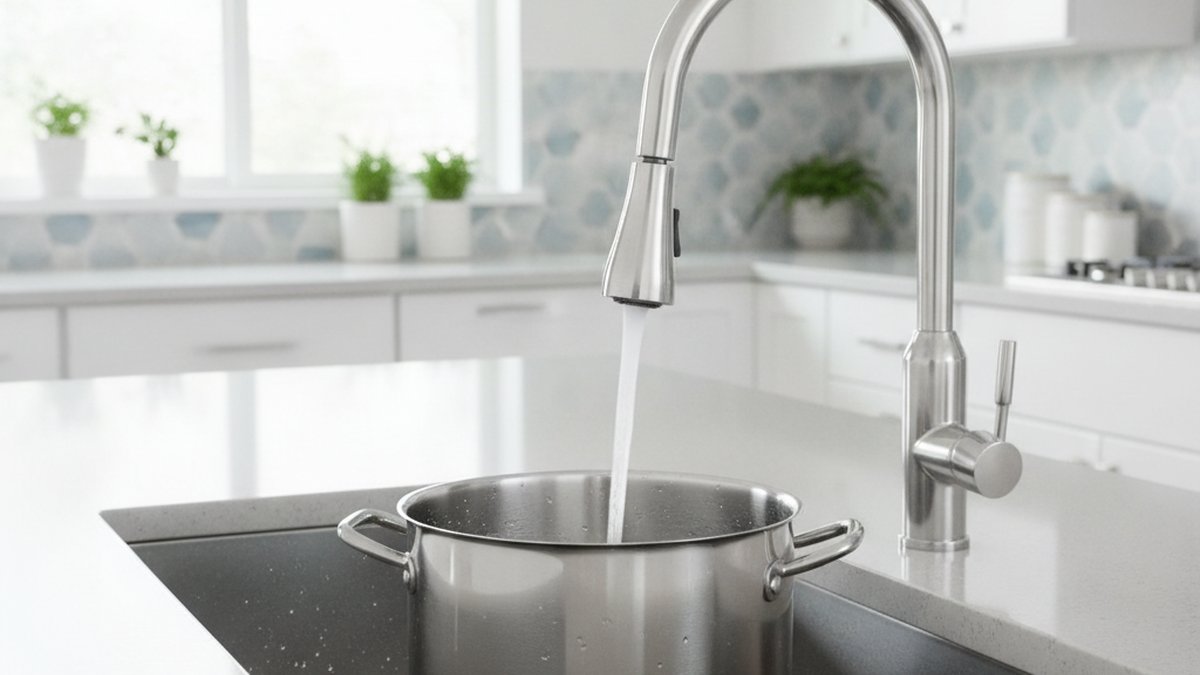
A pull down kitchen faucet is the one you’ve seen in nearly every modern kitchen: a tall, gooseneck-style spout with a spray head that pulls straight down into the sink on a retractable hose. You grab the head, aim it down into the basin to rinse dishes or fill a pot, then let it snap back up into the spout. If you cook daily, wash big pans, or just want a faucet that looks current, it’s one of the easiest upgrades you can make — and this guide walks through exactly how to pick the right one without overpaying.
Below, we answer the real questions people actually ask before buying: how a pull-down differs from a pull-out, what specs genuinely matter, which finish survives hard water, and what you can get at each budget. No fluff — just the stuff that changes your decision.
What’s the difference between a pull down and a pull out kitchen faucet?
A pull-down faucet has a tall, high-arc spout and the spray head pulls down into the sink; a pull-out faucet has a shorter spout and the head pulls out toward you, horizontally. That single difference in direction drives everything else — ergonomics, clearance, and which sink each one suits.
Here’s the practical breakdown. A pull-down gives you more vertical room under the spout, so filling tall stockpots and pitchers is effortless. The downside: because it’s tall (usually 15–18 inches), it may not fit under a low window or a wall cabinet. A pull-out sits lower and sticks out less vertically, which is why it’s the classic pick for apartments and under-window installs — and the spray head extends farther horizontally, which some people prefer for washing items on the counter or filling a pot sitting on the stove nearby.
| Feature | Pull Down Faucet | Pull Out Faucet |
|---|---|---|
| Spout height | Tall, high-arc (15–18 in) | Lower, compact (7–10 in) |
| Spray direction | Pulls straight down | Pulls out toward you |
| Best for | Deep single-bowl sinks, pot filling | Low windows, shallow sinks, small kitchens |
| Hose reach | Shorter effective reach | Longer horizontal reach |
| Look | Bold, modern, statement | Lower-profile, understated |
| Clearance needed | High (watch for cabinets/windows) | Low |
Rule of thumb: if you have a deep sink and open space above it, go pull-down. If you have a window behind the sink or a tight upper cabinet, measure your clearance first — or lean pull-out. If you want the full comparison of spray-head mechanics on a sprayer-style spout, our guide on whether you can add a filter to a pull-out faucet sprayer covers how those hoses and heads behave day to day.
What size pull down kitchen faucet do I need for my sink?
Measure three things before you buy: spout height (vertical clearance above the sink), spout reach (how far the water lands from the base), and your sink’s mounting holes. The water should land in the center of your main bowl, not against the back wall or off the front edge.
For a standard 22-inch-wide single-bowl sink, a spout reach of 8–9 inches lands water right in the middle. For spout height, measure from the deck to the bottom of any cabinet or window above — then subtract an inch or two of working room. If you have only 14 inches of clearance, an 18-inch faucet won’t fit, full stop.
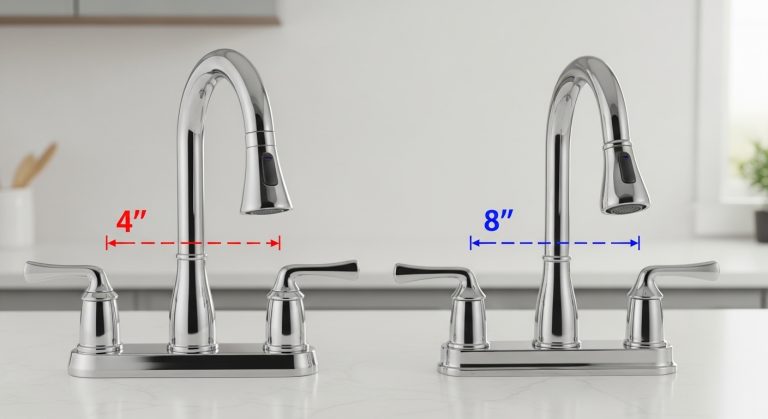
Then check your hole count. Most modern kitchen sinks have one faucet hole; most pull-down faucets are designed as single-hole mounts. If your sink or countertop has three holes (a legacy setup with separate handle and sprayer holes), you’ll need a deck plate (also called an escutcheon) to cover the extras. We break that down in detail in do I need a deck plate for my faucet — worth a two-minute read before you order, because buying the wrong mount is the most common install headache.
- Spout reach: 8–9 in for a standard bowl; 9–10 in for a wide or farmhouse sink.
- Spout height: measure your clearance, then leave 1–2 in of headroom.
- Holes: 1-hole sink = direct mount; 3-hole sink = add a deck plate.
- Deck thickness: most faucets fit decks up to ~2.5 in; thick stone counters may need an extension kit.
What specs actually matter when buying a pull down faucet?
The specs that matter most are the valve type, the spray-head docking mechanism, the hose material, and the finish. Everything else — color, handle style, extra spray modes — is preference. Get these four right and the faucet will last 10–15 years without drips.
Valve: insist on a ceramic disc
A ceramic-disc valve (sometimes called a ceramic cartridge) is the single most important durability spec. It’s what controls the on/off and temperature, and ceramic resists wear and hard-water grit far better than older rubber-washer or ball valves. Virtually every reputable pull-down uses one — if a listing doesn’t mention the valve type at all, treat that as a red flag.
Docking: magnetic beats spring tension
The spray head has to snap back up and stay up. Magnetic docking uses a strong magnet to lock the head in place so it never droops — the most common complaint about cheaper faucets is a head that slowly sags out of the spout after a year. If you can, choose magnetic docking over simple weight-and-spring systems.
Hose: nylon-braided
Look for a nylon-braided hose rather than bare plastic. It flexes thousands of times over the faucet’s life and the braiding resists kinking and cracking. A good hose also retracts smoothly instead of catching.
Flow rate and aerator
Standard U.S. flow is capped at 1.8 gallons per minute (2.2 GPM on some older models); check that the faucet is WaterSense-labeled if you want to minimize water use. The aerator at the tip shapes the stream and saves water — and like any aerator, it can clog with mineral buildup over time. If your flow ever drops to a trickle, don’t panic and don’t replace the faucet; it’s almost always the aerator. Our walkthrough on whether faucet aerators get clogged shows how to spot and fix it in minutes.
Which finish holds up best — stainless, matte black, or bronze?
For most kitchens, spot-resist stainless steel is the most forgiving finish: it hides water spots and fingerprints and matches nearly every appliance. Matte black looks striking but shows limescale and dried water droplets in hard-water areas. Bronze and brushed gold add warmth but carry a price premium and can vary batch to batch.
Your water matters here. If you have hard water (high mineral content), a spot-resist or brushed finish will stay looking clean with far less wiping than a glossy chrome or matte black surface, where every dried droplet leaves a visible white ring. Here’s how the common finishes compare in a real, used-daily kitchen:
| Finish | Hides spots/prints | Hard-water friendly | Relative cost | Best for |
|---|---|---|---|---|
| Spot-resist stainless | Excellent | Yes | $$ | Busy family kitchens |
| Brushed nickel | Very good | Yes | $$ | Warm, traditional looks |
| Matte black | Poor (shows limescale) | No | $$$ | Soft-water, modern kitchens |
| Chrome | Poor (shows everything) | Fair | $ | Budget builds, easy to clean |
| Bronze / gold | Good | Yes | $$$ | Statement, warm palettes |
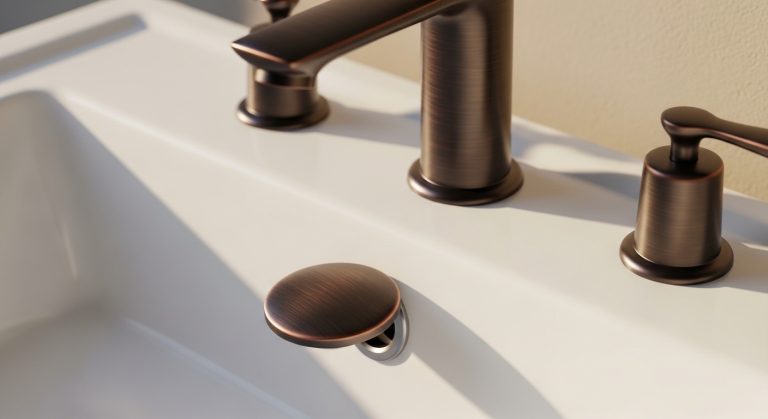
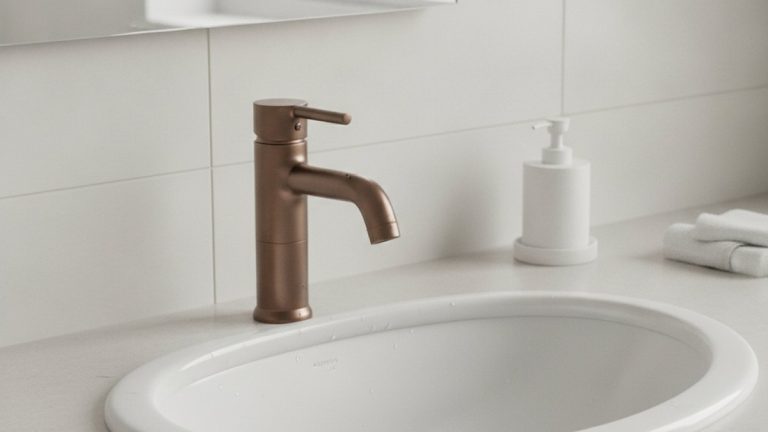
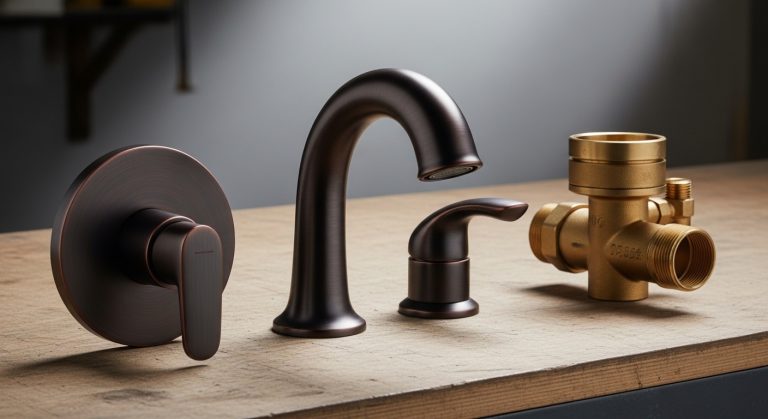
If a warm, non-stainless look appeals to you, the same finish logic we cover for an oil rubbed bronze gooseneck faucet applies to pull-downs too — the high-arc gooseneck shape is the same family, just with a retractable spray head added.
How much should I spend on a pull down kitchen faucet?
Plan on $120–$250 for a quality pull-down that will last a decade. Below $80 you’re gambling on valve and hose quality; above $350 you’re paying mostly for brand name and designer finishes, not better function. The sweet spot for a daily-use family kitchen is right around $150–$200.
Here’s what you actually get at each tier:
- Under $80 — budget: Works, but often a plastic hose, weaker docking, and a shorter or vaguer warranty. Fine for a rental or short-term fix.
- $120–$250 — the sweet spot: Ceramic valve, magnetic dock, nylon-braided hose, solid finish, and a real lifetime warranty. This is where most people should shop.
- $300–$600 — premium: Designer finishes, touchless/motion sensors, voice control, heavier solid-brass bodies. Great features, but diminishing returns on pure function.
One more money note: a lead-free body isn’t a premium luxury — it’s a baseline you should insist on at any price, because it’s what keeps the water safe to drink. See our roundup of the best lead-free faucet brands if you want to confirm a model meets that standard before buying. And if you’re torn between two big names on the high end, our head-to-head on Kohler vs Grohe kitchen faucets digs into where premium money does and doesn’t buy you more.
Is a pull down kitchen faucet hard to install yourself?
No — most single-hole pull-down faucets install in 30–60 minutes with basic tools, and no plumber is required for a straight swap. The job is mechanical, not technical: shut off the water, disconnect the old faucet, drop in the new one, connect the supply lines and the spray hose, then test.
Here’s the basic sequence:
- Turn off both hot and cold shutoff valves under the sink and open the old faucet to release pressure.
- Disconnect the old supply lines and loosen the mounting nut; lift the old faucet out.
- Feed the new faucet (and spray hose) down through the mounting hole; secure the mounting nut underneath.
- Attach the weight to the spray hose per the instructions — this is what retracts the head.
- Connect the hot and cold supply lines (hand-tight plus a quarter turn with a wrench).
- Turn the water back on slowly, run it for a minute to flush debris, and check every connection for drips.
The two things people forget: flushing the line before reinstalling the aerator (debris can clog it immediately), and clipping on the hose weight correctly (skip it and the head won’t retract). If your supply lines are old or corroded, replace them while you’re down there — they’re a few dollars and save a future leak.
Author note & why you can trust this guide
This guide was written by the Afinion Home fixtures team, who specialize exclusively in faucets, sinks, shower heads, and bathroom fixtures — not general home goods. We install, test, and live with the products we write about, and we evaluate pull-down faucets the way a real kitchen does: valve longevity, docking strength after thousands of pulls, and finish durability under hard water.
On standards specifically: the faucets we recommend meet the relevant North American benchmarks — NSF/ANSI 61 and 372 for lead-free, drinking-safe waterways, and WaterSense labeling for flow efficiency where applicable. We weight our picks toward models backed by a manufacturer’s limited lifetime warranty on finish and function, because a strong warranty is the clearest signal a brand trusts its own valve and cartridge. Afinion Home has helped thousands of homeowners match the right fixture to the right sink, and every recommendation here reflects that hands-on testing rather than spec-sheet guessing.
FAQ
Do pull down faucets leak more than regular faucets?
No, not when they’re built with a ceramic-disc valve and a nylon-braided hose. The one wear point unique to a pull-down is the spray hose, which flexes with every use — buy a model with a braided hose and a lifetime warranty and leaks are rare. Cheap plastic hoses are where most leak complaints come from.
Can I put a water filter on a pull down kitchen faucet?
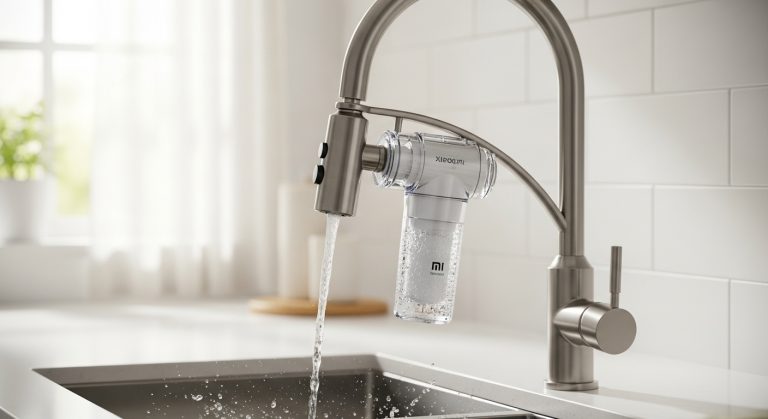
Not directly on the spray head — the pull-down spray tip isn’t threaded for a screw-on filter the way a standard aerator is. Your better options are an under-sink filter with a dedicated tap, or a countertop/inline filter. We cover the workarounds for sprayer-style faucets in our guide on adding a faucet water filter for pull-out faucets, and the same limitations apply to pull-downs.
Why does my pull down spray head droop and not snap back up?
A drooping head almost always means weak docking or a missing hose weight. Faucets with magnetic docking hold the head firmly for years; weight-and-spring systems can sag as the spring tires. First, check that the hose weight is attached in the right spot — if it slipped, reposition it. If the dock magnet is simply too weak, that’s a design limitation of a cheaper faucet.
What’s the best pull down faucet for a deep single-bowl sink?
A high-arc model (16–18 in) with a dual-function spray head and magnetic docking is ideal for a deep single bowl, because the tall spout clears big pots and the head reaches the bottom of the basin. Aim for an 8–9 inch spout reach so water lands in the center, and a spot-resist stainless finish if you have hard water.
How long should a good pull down kitchen faucet last?
A quality pull-down lasts 10–15 years with normal use. The ceramic valve typically outlives everything else; the spray hose and aerator are the parts most likely to need attention first. Keeping the aerator clean and wiping the finish after use extends its life considerably — and a limited lifetime warranty means the maker will usually cover the valve or cartridge if it ever fails.
Is a single-handle or double-handle pull down faucet better?
Single-handle is better for the vast majority of kitchens — you can adjust temperature and flow with one wet or greasy hand, and there’s one less seal to ever leak. Double-handle pull-downs exist mostly for traditional or bridge-style looks; they’re fine aesthetically but offer no functional advantage in a working kitchen.