
Is a Faucet Water Filter in NZ Worth It, and Which One Should You Actually Buy?
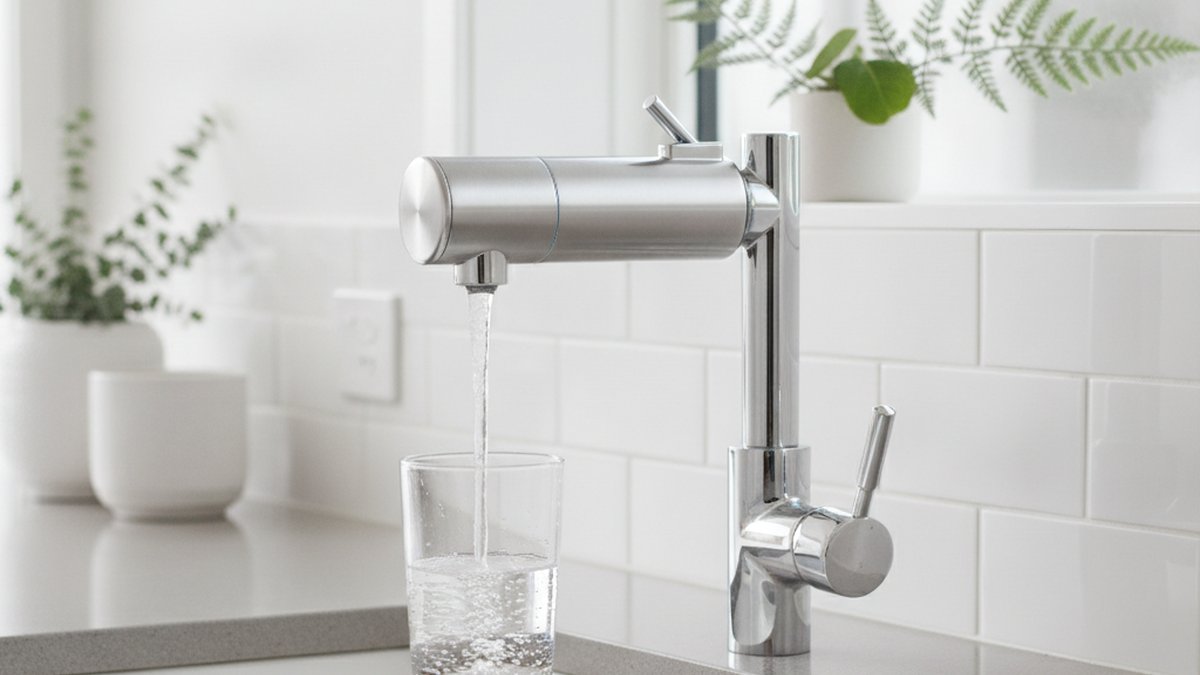
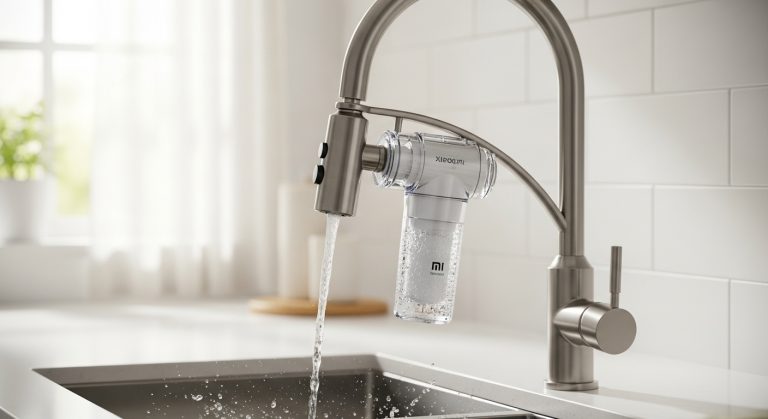
If you’ve been searching for a faucet water filter NZ option that actually solves a real problem — not just a gadget that clips on and leaks a week later — you’re asking the right question. New Zealand tap water is generally safe to drink straight from the mains, but “safe” and “tastes good / no scale / no chlorine smell” are three different things. A faucet-mounted filter sits right at the point of use, screws onto your existing kitchen tap, and treats only the water you actually drink and cook with. That makes it one of the cheapest, fastest upgrades you can make to your kitchen without a plumber.
Below I’ll walk through when it’s genuinely worth it, what NZ-specific water issues these filters fix (and don’t fix), how to make sure one fits your tap, and which type suits your kitchen and budget.
Do I actually need a water filter on my faucet in New Zealand?
You need one if your tap water tastes or smells of chlorine, if you’re on tank/bore water, or if you live somewhere with hard water and hate the scale — otherwise it’s a “nice to have,” not a must. Most reticulated (mains) supply in NZ is treated and monitored to the Drinking Water Standards for New Zealand, so it’s microbiologically safe. A faucet filter isn’t there to make unsafe water safe; it’s there to make already-safe water taste and feel better.
Here’s who benefits most:
- You can smell or taste chlorine. Many councils dose chlorine (and some use chloramine) for disinfection. A carbon filter strips that “pool water” taste in seconds.
- You’re in a hard-water region. Parts of Canterbury, Central Otago and other areas run harder water that leaves white scale on the kettle and spotting on glasses. A filter reduces taste issues from minerals, though scale itself needs a softener or descaler — more on that below.
- You’re on rainwater tank or bore supply. Rural and lifestyle-block households often want extra reassurance on taste, sediment, and certain contaminants.
- You currently buy bottled water. A faucet filter pays for itself fast versus supermarket bottles, and cuts the plastic.
If your water already tastes great and you have no scale problem, you can honestly skip it. I’d rather tell you that than sell you a filter you don’t need.
What does a faucet water filter actually remove from NZ tap water?
A good faucet-mounted filter mainly removes chlorine, bad taste and odour, sediment, and — if it’s certified to the right standard — a meaningful amount of lead and other heavy metals. What it does not do is soften water, remove fluoride, or purify contaminated water to drinking standard on its own.
The single most important thing to check is certification, because “removes 99% of contaminants” printed on a box means nothing without an independent standard behind it. Look for these NSF/ANSI numbers:
| Standard | What it certifies the filter reduces | Why it matters in NZ |
|---|---|---|
| NSF/ANSI 42 | Chlorine, taste, odour, some sediment | The core reason most Kiwis buy one — kills the chlorine taste |
| NSF/ANSI 53 | Lead, cysts, some heavy metals, VOCs | Matters for older homes with lead-containing fittings/solder |
| NSF/ANSI 401 | “Emerging contaminants” (some pharmaceuticals, pesticides) | Extra reassurance; less common on cheap models |
| NSF/ANSI 372 | Lead-free materials (the fitting itself) | The filter body shouldn’t add contaminants — pair with a lead-free faucet |
A quick reality check on the two things people most often expect and don’t get: faucet filters generally do not remove fluoride (that needs reverse osmosis or a specific activated alumina/bone-char media), and they do not soften hard water — they improve taste, but the calcium and magnesium that cause scale largely pass through. If scale is your enemy, a filter helps the taste but you’ll still be descaling the kettle. For that side of things, our guide on cleaning hard water stains from a faucet is more useful than any filter.
Faucet-mounted vs under-sink vs jug: which is right for my kitchen?
For most NZ renters and budget-conscious homeowners, a faucet-mounted filter is the sweet spot — cheap, no plumbing, installs in five minutes. An under-sink system filters more water and lasts longer between changes but costs more and usually wants a plumber. A jug is the cheapest entry point but slow and small. Here’s the honest comparison:
| Type | Upfront cost (NZD) | Install | Best for | Downside |
|---|---|---|---|---|
| Faucet-mounted | $30–$120 | DIY, screws on in minutes | Renters, small kitchens, chlorine taste | Bulky on the tap; slower flow; not for all tap shapes |
| Under-sink (carbon) | $120–$400 | Plumber or confident DIY | Homeowners, whole-kitchen use | Cost; needs cupboard space |
| Under-sink RO | $300–$900+ | Plumber | Fluoride/heavy metal removal, very pure water | Wastes some water; slower; pricey |
| Filter jug | $25–$70 | None | One or two people, trial run | Small, slow, frequent cartridge swaps |
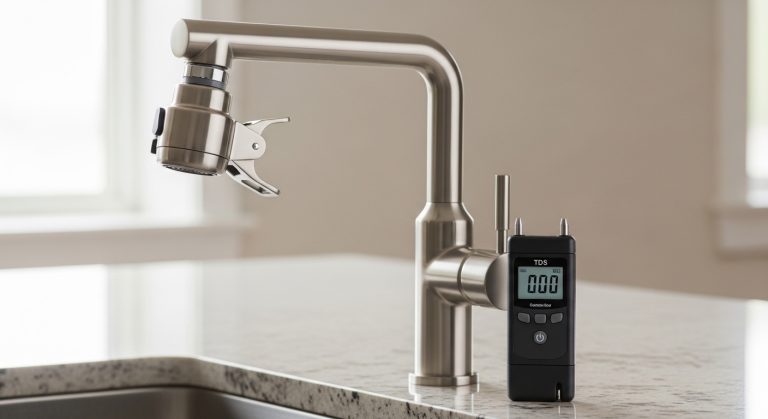
The faucet-mounted category itself splits into two families worth knowing about. Simple models with a diverter switch let you flick between filtered and unfiltered water so you’re not wasting cartridge life washing dishes. Others thread inline via a faucet water filter hose, which keeps the bulky housing off the spout and is handy if your tap is short on clearance. If you’re chasing near-lab-grade purity from a benchtop unit, it’s worth reading whether a zero-TDS faucet water filter setup is genuinely worth it or overkill before you spend the money — for most Kiwi households on good mains water, it is overkill.
Will a faucet water filter even fit my tap in NZ?
Most will fit a standard NZ kitchen tap, but not all — the deciding factor is the aerator thread on the end of your spout. New Zealand and Australian taps commonly use a 22mm male or 24mm female thread, and better filter kits ship with a couple of adapters to cover both. Pull-down sprayers, gooseneck mixers with a hidden aerator, and some designer taps are the usual problem cases.
Before you buy, do this two-minute check:
- Unscrew your aerator. Twist the very tip of your spout anti-clockwise (a cloth helps grip). That threaded piece is where the filter attaches.
- Measure the thread. Male thread (threads on the outside) is usually ~22mm; female (threads inside) is usually ~24mm. Note which one you have.
- Check the filter’s adapter list. Confirm the model includes an adapter for your thread type and size.
- Look at your tap shape. Pull-out and pull-down sprayers generally can’t take a screw-on faucet filter — the head detaches. If that’s you, see whether a faucet water filter for a pull-out faucet is even possible on your sprayer before ordering.
If your tap simply won’t take a screw-on unit, that’s not the end of the road — an inline hose-fed filter or an under-sink cartridge feeding a separate little drinking-water spout are both clean solutions.
How much does a faucet water filter cost to run in NZ per year?
Budget around $20–$60 a year in replacement cartridges for a typical faucet-mounted filter, on top of the $30–$120 you pay for the unit itself. That’s the number that actually matters, because the cheap sticker price hides the ongoing cost — cartridges are where these systems make their money.
A few things drive that running cost:
- Cartridge lifespan. Most faucet cartridges are rated for roughly 300–1,500 litres, or about 2–3 months of normal family use. Harder or dirtier water shortens that.
- How much you filter. Using the diverter only for drinking and cooking (not dishes) can double how long a cartridge lasts.
- Cartridge price and availability. A well-known brand you can restock at any NZ retailer beats a bargain unit whose refills are impossible to find in six months.
Compare that to bottled water. A single 1.5L bottle at the supermarket can cost more than a week’s worth of filtered tap water. If you’re currently buying bottles, a faucet filter typically pays for itself within a couple of months — and you stop hauling plastic to the bin. It’s also worth pricing the alternatives honestly: some people ask whether a pharmacy tap water filter from Dischem or a Xiaomi faucet water filter is the better buy. The answer usually comes down to cartridge availability and certification, not the headline price.
How do you install a faucet water filter yourself?
You can install a faucet-mounted filter in about five minutes with no tools beyond your hands and a cloth — it screws onto the tap where your aerator used to be. Here’s the process:
- Turn off the tap and unscrew the existing aerator from the spout (anti-clockwise; use a cloth for grip).
- Choose the right adapter from the kit to match your 22mm male or 24mm female thread and hand-tighten it onto the spout.
- Attach the filter housing to the adapter and snug it up — hand-tight is enough; over-tightening cracks plastic threads.
- Insert or seat the cartridge per the instructions (some ship pre-loaded).
- Flush it. Run water through the filtered setting for 5–10 minutes to rinse out carbon fines. The first flush often runs grey — that’s normal.
- Check for drips around the thread. If it weeps, re-seat the washer or add a wrap of PTFE (plumber’s) tape.
If it drips from the tap threads rather than the filter, that’s an aerator-seal issue, not the filter’s fault — and if your water pressure drops to a trickle after fitting it, the culprit is often a clogged screen, exactly like when a faucet aerator gets clogged. A quick clean usually fixes it.
What should I look for before I buy? (a quick buyer’s checklist)
Prioritise certification and cartridge availability over price and looks — a certified filter with cheap, easy-to-find refills beats a flashy uncertified one every time. Run through this before you check out:
- NSF/ANSI 42 at minimum, ideally 53 as well if you want lead reduction.
- Confirmed thread fit (22mm male / 24mm female adapters included).
- Cartridge cost and stock in NZ — check you can buy refills locally before committing.
- Realistic flow rate — carbon block filters trade some flow for filtration; expect it to be a little slower than your bare tap.
- A clear warranty and a brand that answers support emails.
- A diverter switch so you’re not burning cartridge life on dishwater.
One more practical note: think about the filter alongside the tap it’s bolting onto. If your kitchen tap is old, leaky, or you’re mid-remodel, it can make more sense to fit a modern, lead-free mixer first — our roundup of the best lead-free faucet brands is a good starting point — and then add filtration to a tap you actually trust.
FAQ
Is NZ tap water safe enough that I don’t need a filter at all?
Mostly, yes. Reticulated mains water in New Zealand is treated and monitored to national drinking water standards, so it’s safe to drink from the tap. A faucet filter is about taste, chlorine smell, sediment and extra reassurance — not making unsafe water safe. If you’re on tank or bore water, filtration (and sometimes UV treatment) is more genuinely important.
Does a faucet water filter remove fluoride from NZ water?
No. Standard carbon faucet-mounted filters do not meaningfully remove fluoride. If fluoride removal is your goal, you need reverse osmosis or a media specifically designed for it (activated alumina or bone char), which are under-sink or benchtop systems, not screw-on faucet units.
Will it help with hard water and limescale in Canterbury or Central Otago?
It’ll improve the taste, but it won’t stop the scale. Faucet filters reduce chlorine and taste issues, but the calcium and magnesium that cause limescale largely pass straight through. To actually reduce scale you need a water softener or descaler; to clean up existing marks, a descaling routine on your fixtures works better than any filter.
How often do I need to change the cartridge?
Typically every 2–3 months, or 300–1,500 litres, depending on the model and how dirty or hard your water is. Using the diverter only for drinking and cooking stretches that. Don’t push it past the rating — a spent carbon cartridge stops working and can harbour bacteria if left too long.
Can I fit one to a pull-down or pull-out kitchen sprayer?
Usually not directly, because the spray head detaches and there’s no fixed aerator thread to screw onto. Your options are an inline hose-fed filter plumbed before the sprayer, or an under-sink filter feeding a separate dedicated drinking-water tap. Check your specific tap’s aerator before buying a screw-on model.
Do faucet water filters reduce water pressure?
A little — that’s normal. Carbon block media deliberately slows the water to give it contact time, so filtered flow is a bit gentler than your bare tap. If the flow drops to a trickle, suspect a clogged sediment screen or cartridge rather than the filter design, and clean or replace it.
About the author: This guide was written by the product team at Afinion Home, who spend their days fitting, testing and troubleshooting faucets and filtration for real kitchens. We measure tap threads, run cartridges to end-of-life, and check certification claims against the actual NSF/ANSI standards rather than marketing copy.
Why trust Afinion Home: We design and sell faucets and bathroom fixtures built with lead-free, WaterMark-conscious materials, and we back our fixtures with clear warranties. We only recommend filtration that’s independently certified (NSF/ANSI 42/53) and that genuinely fits standard New Zealand tap threads — because a filter that doesn’t fit or isn’t certified is just an expensive tap ornament.

One Comment