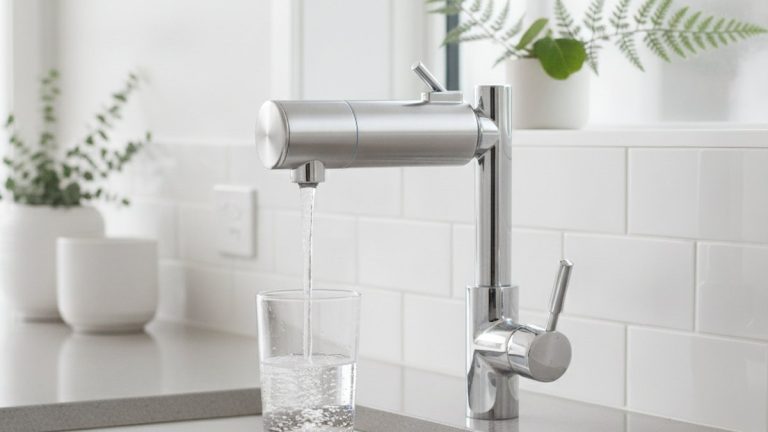
Do You Really Need a Tap Water Filter in London, and Which Type Actually Works?
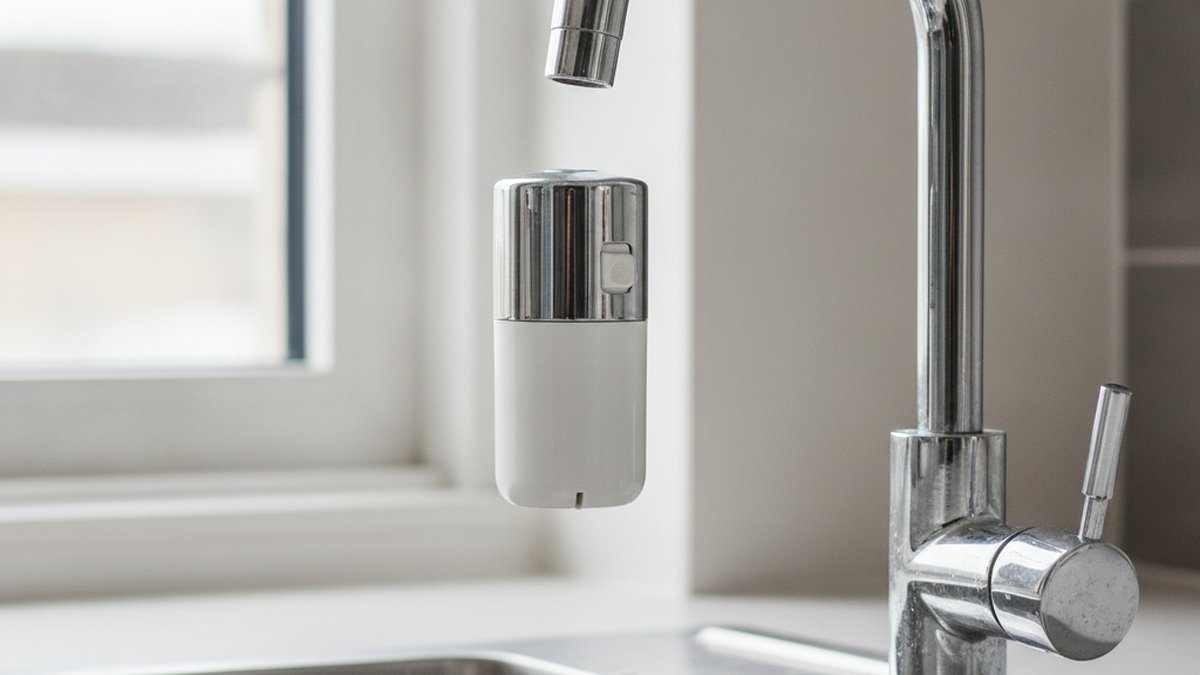
If you’ve just moved into a London flat and your kettle furs up in a week, you’ve already met the reason people search for a tap water filter London solution in the first place. London’s water is legally safe — Thames Water, Affinity, and SES all treat it to strict UK and EU standards — but “safe” and “pleasant to drink” aren’t the same thing. The chalk and limestone aquifers that feed the city make the water some of the hardest in the country, and that hardness, plus a whiff of chlorine, is what sends most Londoners looking for a filter.
At Afinion Home we sell and test faucet-mounted and inline filters for exactly these conditions, so this guide is written around real London water chemistry — not generic marketing. Below, we answer the questions people actually ask: whether you need a filter at all, which type fits a rented flat versus an owned house, what it removes, and how much you’ll really spend per litre.
Is London tap water safe to drink without a filter?
Yes. London tap water is safe to drink straight from the tap — UK drinking water consistently meets or beats the standards set by the Drinking Water Inspectorate (DWI), and roughly 99.9% of tested samples pass. You will not get sick from ordinary London tap water. A filter in London is about taste, limescale, and peace of mind over trace contaminants, not basic safety.
That said, three things push people toward filtering anyway:
- Hardness (limescale): Central and east London water is “very hard,” commonly 250–350 mg/L as calcium carbonate. It’s harmless to drink but murders kettles, coffee machines, shower heads, and faucet aerators.
- Chlorine: Water is disinfected with chlorine, which is what gives that faint “swimming pool” smell and a slightly flat taste, especially in summer.
- Old pipes: Many pre-1970 London properties still have lead supply pipes or lead solder. The mains water is lead-free, but it can pick up trace lead on the way to your tap — the one genuine health reason to filter.
So the honest answer: you don’t need a filter for safety, but in London it usually earns its place for taste and hardware protection. If you’re weighing this the way you’d weigh any filter buy, our breakdown of whether a faucet water filter is actually worth it walks through the same cost-versus-benefit logic that applies here.
What does a tap water filter actually remove from London water?
A standard activated-carbon tap water filter removes chlorine, chlorine by-products, sediment, and a lot of the taste and odour compounds — that’s the bulk of what bothers Londoners. It does not soften water on its own (hardness minerals pass straight through carbon), and it removes lead only if the cartridge is specifically rated for it.
Here’s the important distinction most product pages gloss over: filtering and softening are different jobs.
- Carbon filters (faucet-mounted, jug, under-sink) target chlorine, taste, odour, sediment, and — with the right media — lead, PFAS, and some pesticides.
- Ion-exchange or reverse-osmosis systems actually reduce the calcium and magnesium that cause limescale. Reverse osmosis (RO) is the only common tap solution that meaningfully cuts hardness and TDS.
If your main complaint is furry kettles and cloudy glasses, a basic carbon filter won’t fix that — you’d want RO or a whole-home softener. If your complaint is taste, smell, and “is there lead in my old pipes,” a carbon faucet filter is exactly right. Londoners chasing near-mineral-free water sometimes go further; our guide to a zero-TDS faucet filter setup explains when that’s genuinely useful and when it’s overkill.
One myth worth killing: a filter will not remove the “good” minerals and leave you drinking dangerous water. Carbon filters leave calcium and magnesium in — which is why they don’t soften. RO removes almost everything, which is why some people remineralise afterward for taste.
Which type of tap water filter is best for a London flat vs a house?
For most London flats — especially rentals — a faucet-mounted carbon filter is the best pick, because it needs no plumbing, installs in five minutes, and unscrews when you move out. For an owned house where you can commit to plumbing, an under-sink filter or a full softener-plus-RO setup makes more sense long term.
Your living situation drives the decision more than the water does. Here’s how the common options compare for London specifically:
| Filter type | Cuts chlorine/taste? | Reduces limescale/hardness? | Reduces lead? | Best for | Rough cost per year |
|---|---|---|---|---|---|
| Filter jug (Brita-style) | Yes | Slightly, temporarily | Some models | Singles, tiny kitchens, testing the waters | £40–£90 |
| Faucet-mounted filter | Yes | No | Yes (rated cartridges) | Renters, flats, no-plumbing installs | £50–£110 |
| Under-sink carbon | Yes | No | Yes (rated cartridges) | Owned homes, high water use | £70–£150 |
| Reverse osmosis (RO) | Yes | Yes (major) | Yes | Very hard water, tea/coffee obsessives | £120–£250 |
| Whole-home softener | No (needs carbon too) | Yes (whole house) | No | Houses with severe limescale | £150–£300+ |
For the typical London renter, the faucet-mounted filter is the sweet spot: cheap, reversible, and it handles the taste and trace-metal concerns that actually matter for drinking water. If limescale in the whole house is your enemy, though, no single tap filter solves it — that’s a softener’s job, and a carbon filter still handles the drinking taste at the kitchen tap.
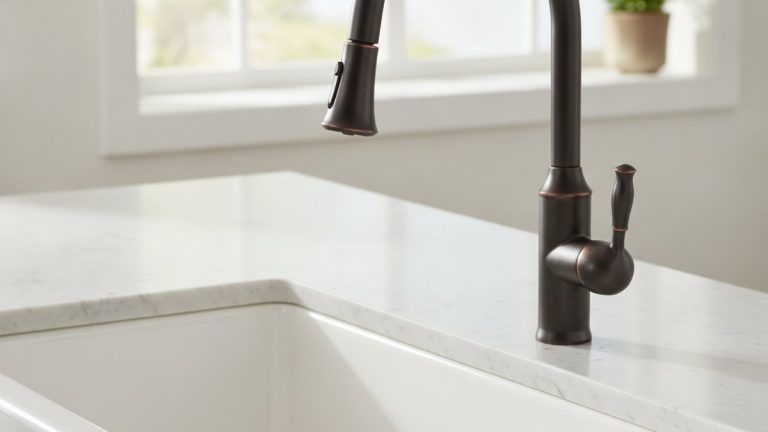
Worth knowing before you buy: not every faucet takes a screw-on filter. Pull-out and spray-style kitchen taps in newer London developments often won’t accept a standard diverter, so check our note on fitting a filter to a pull-out faucet before you order one.
Does a tap water filter stop limescale on my London faucet and kettle?
Not with a standard carbon filter — no. Carbon removes chlorine and taste but leaves the calcium and magnesium that form limescale, so your kettle and shower head will still fur up. Only reverse osmosis, ion-exchange, or a whole-home softener actually reduces the hardness that causes scale.
This trips up a lot of Londoners: they fit a faucet filter, expect a scale-free kettle, and are disappointed. What the filter does do is improve the taste of the hard water going in. To fight scale on the fixtures themselves, you’re better off combining a taste filter with routine descaling. We’ve got a full walkthrough on cleaning hard water stains from a faucet, and because London water clogs aerators fast, it’s worth knowing the early signs that faucet aerators get clogged before your flow drops to a trickle.
A practical London routine looks like this:
- Fit a carbon faucet filter for drinking-water taste and trace-metal reduction.
- Descale the kettle and coffee machine every 2–4 weeks with citric acid or white vinegar.
- Unscrew and soak the faucet aerator in vinegar monthly to clear scale build-up.
- If scale is genuinely severe across the whole home, budget for a softener — the tap filter won’t replace it.
How much does filtering London tap water actually cost per litre?
Filtered London tap water costs roughly 2–8p per litre depending on the system — dramatically cheaper than bottled water at 60p–£1+ per litre. A faucet-mounted filter typically works out to about 3–5p per litre once you factor in cartridge replacements every 2–3 months.
Do the maths and the case for filtering (over buying bottled) is overwhelming in a city where tap water is already safe. A household drinking and cooking with 4–5 litres a day gets through roughly 1,500 litres a year. At even the high end of filter cost, that’s around £75 a year versus £900+ for equivalent bottled water — plus you skip lugging bottles up London stairwells and cut the plastic.
The one recurring cost people forget is cartridges. In hard, chlorinated London water, cartridges can exhaust slightly faster than the manufacturer’s headline figure, so treat the stated litre-rating as an optimistic ceiling and replace on schedule. If you use a filter feeding a fridge or dispenser via tubing, our explainer on what a faucet water filter hose is and whether you need one covers the extra fittings involved.
Faucet filter vs pharmacy/jug filters: which is the better buy in London?
For ongoing everyday use, a faucet-mounted or under-sink filter beats a pharmacy or jug filter in London on cost-per-litre and convenience — you filter on demand instead of refilling and waiting. Jugs and pharmacy-branded filters are fine for a single person or as a low-commitment starting point, but they get expensive and fiddly at family volumes.
The trade-offs mirror what we found comparing a pharmacy tap water filter versus one fitted to your faucet: jug-style options win on zero installation and portability, while fitted filters win on flow rate, capacity, and long-run price. In a hard-water city, the higher throughput of a faucet filter also means you’re not standing around waiting for a slow jug to drip through scale-laden water.
Quick decision guide:
- Live alone, drink little, rent short-term? A jug or pharmacy filter is genuinely fine.
- Family, flat share, or a coffee habit? A faucet-mounted carbon filter pays for itself fast.
- Own the home and hate limescale everywhere? Under-sink RO for drinking, softener for the rest.
- Worried specifically about lead from old London pipes? Choose any filter with a certified lead-reduction cartridge and run the tap briefly before drinking.
How do I fit a tap water filter to my London kitchen faucet?
Most faucet-mounted filters in London fit in under five minutes with no tools: unscrew the aerator, screw the filter’s adapter onto the threaded spout, click on the filter body, and flush it for a couple of minutes before drinking. The only catch is thread compatibility — some London taps use non-standard or internal threads.
Step by step:
- Unscrew your existing aerator from the tip of the faucet (turn anticlockwise; use a cloth for grip).
- Check the thread — most filters include adapters for standard 22mm male and 24mm female threads common on UK taps.
- Screw the correct adapter onto the spout hand-tight, then attach the filter housing.
- Run cold water through for 2–5 minutes to flush carbon dust and “condition” the cartridge.
- Switch the diverter to “filtered” only when you’re drawing drinking or cooking water — running everything through the filter just wastes cartridge life.
If your tap is a pull-out sprayer or a designer mixer with no visible thread, a screw-on filter may not fit at all, and an under-sink unit is the cleaner route. Always use the cold tap for drinking water — never filter hot water, as heat degrades carbon media and can carry more dissolved metals.
Author note & why you can trust this guide
This guide was written and reviewed by the Afinion Home product team, who source, install, and test faucet and inline water filters for UK and international homes. We base our hardness and treatment advice on published DWI standards, Thames Water quality reports, and the certification data (such as NSF/ANSI 42 for taste/chlorine and NSF/ANSI 53 for lead reduction) that reputable cartridge makers publish. We recommend only filters carrying independent certification and a manufacturer warranty — typically 1–2 years on the housing — and we say plainly when a product won’t do what people assume, as with carbon filters and limescale. Afinion Home stocks filters and faucets tested against these standards, and we’d rather you buy the right thing once than the wrong thing twice.
FAQ
Is London tap water hard or soft?
London tap water is very hard. Fed by chalk and limestone aquifers, it typically runs 250–350 mg/L of calcium carbonate across central, north, and east London. It’s completely safe to drink, but it’s the reason kettles, shower heads, and faucet aerators scale up so quickly here.
Do I need to filter London tap water for babies or formula?
London tap water is safe for making up formula, but you should boil fresh cold tap water and let it cool rather than using artificially softened water (from a salt-based softener), which has raised sodium. A carbon filter for taste is fine; just don’t use softened water for infant formula. When in doubt, check with your health visitor or GP.
Will a tap water filter remove lead from old London pipes?
Only if the cartridge is specifically certified for lead reduction (look for NSF/ANSI 53 lead certification). Standard taste-and-odour carbon filters aren’t guaranteed to remove lead. If your property predates the 1970s and may have lead supply pipes, choose a lead-rated filter and run the cold tap for 30 seconds before drawing water that’s been sitting overnight.
How often should I change a tap water filter cartridge in London?
Every 2–3 months for a faucet-mounted carbon filter under typical London use, though hard, chlorinated water can shorten that. Treat the manufacturer’s litre rating as a maximum, not a target. If the flow slows or the taste of chlorine returns, replace the cartridge early regardless of the calendar.
Does boiling London tap water do the same thing as filtering it?
No. Boiling kills any microbes (unnecessary here — London water is already disinfected) and drives off some chlorine, but it actually concentrates hardness minerals as water evaporates, which is why kettles fur up. Boiling does nothing for lead or taste compounds the way a proper filter does. They solve different problems.
Can I put a filter on any London faucet, including pull-out taps?
Not always. Screw-on faucet filters fit standard threaded spouts, but pull-out sprayers, some designer mixers, and taps with internal-only threads may need an adapter or won’t accept one at all. For those, an under-sink filter with its own dedicated tap is the reliable option.