Should You Buy a Widespread Lavatory Faucet Chrome Finish for Your Bathroom Remodel?
If you’ve been staring at your bathroom sink wondering whether a widespread lavatory faucet chrome setup is the right call, here’s the short version: for a standard three-hole sink with 8 inches between the outer holes, a widespread chrome faucet gives you the cleanest look, the widest style range, and the lowest lifetime maintenance of almost any option on the market. “Widespread” refers to the three-piece configuration — a central spout with two separate handles that can sit anywhere from 6 to 16 inches apart — and “chrome” is the mirror-bright, blue-silver finish that has been the plumbing industry’s workhorse for over a century. Below, we’ll walk through exactly when it’s the right choice, what to check before you buy, and how chrome stacks up against the finishes everyone’s been hyping lately.
What exactly is a widespread lavatory faucet, and how is it different from centerset?
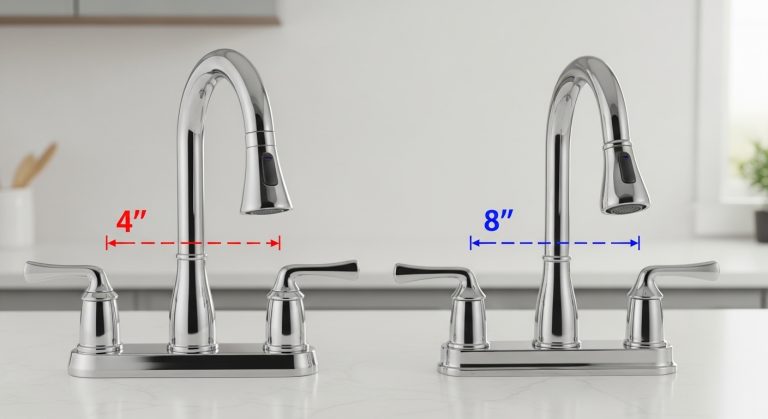
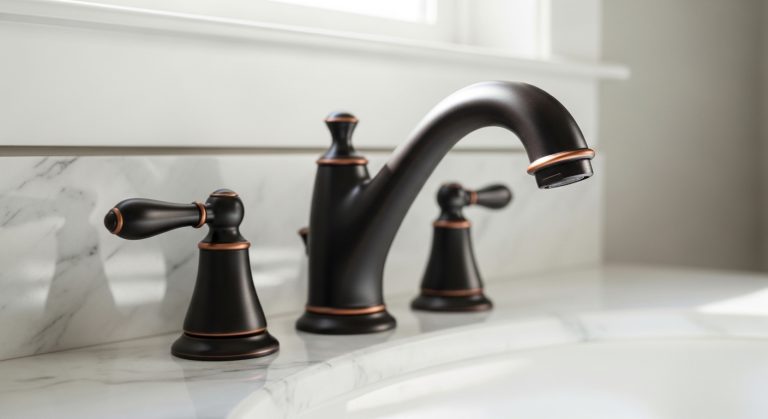
A widespread lavatory faucet is a three-piece bathroom faucet where the spout and the two handles are completely separate components, connected only by flexible supply lines underneath the sink. That’s the core difference from a centerset faucet, where everything is mounted on a single base plate (usually 4 inches wide). With a widespread, you have three distinct pieces sitting on three distinct holes, and the space between the outer holes typically ranges from 8 to 16 inches — 8 inches being the residential standard.
This matters for both looks and installation. Because the handles are physically separated from the spout, a widespread faucet reads as more upscale and gives you flexibility in how far apart the handles sit. Centerset faucets are more compact and easier to install as one unit, which is why they’re common in powder rooms and rentals. If you want the full breakdown of the two styles side by side, we cover it in depth in our guide to centerset vs. widespread faucets. The one rule you can’t break: your sink or countertop must actually have three holes drilled at the correct spacing, or you’ll be shopping for a new sink.
How do I know if my sink can take a widespread faucet?
Flip your existing faucet off (or look at a bare sink) and count the holes, then measure center-to-center between the two outermost holes. If you see three holes spaced 6 to 12 inches apart on a residential sink, you’re set for a widespread. If you see three holes only 4 inches apart, that’s a centerset or “mini-widespread” pattern, and a true 8-inch widespread won’t reach. If there’s just one hole, you need a single-hole faucet instead. Most drop-in and undermount porcelain sinks sold in the U.S. come pre-drilled for 8-inch widespread or 4-inch centerset, so check the sink spec sheet before ordering.
Why is chrome still the best finish for a lavatory faucet in 2026?
Chrome is still the best all-around bathroom faucet finish because it’s the hardest, most corrosion-resistant, and easiest-to-clean surface you can put on a faucet — and it costs less than specialty finishes while matching virtually any décor. Chrome is applied as an electroplated layer over a brass or zinc body, creating a bright, hard shell that resists scratching and doesn’t oxidize the way raw metal does.
Here’s the practical payoff. Chrome shrugs off the harsh bathroom cleaners that will haze or discolor matte black and some brushed finishes over time. It doesn’t show water spots as dramatically as matte finishes (though it does show them — more on that below), and a quick wipe restores the shine. It’s also the most replacement-friendly finish on earth: if you ever need a new drain, a matching towel bar, or a shower trim years later, chrome is universally stocked and consistent across brands. We break down the finish’s strengths and weaknesses in our dedicated look at whether a chrome faucet is the right choice for your bathroom or kitchen, but for a widespread lavatory application specifically, chrome remains the safest bet for durability and resale appeal.
Does chrome show water spots and fingerprints more than brushed nickel?
Yes — polished chrome shows water spots and fingerprints a bit more readily than brushed nickel, because its mirror surface reflects everything, including mineral residue. But it’s a trade, not a dealbreaker. Chrome wipes clean in seconds with a damp microfiber cloth, while brushed and matte finishes hide daily smudges better but are far more likely to permanently discolor if you use an acidic or abrasive cleaner on them. If you have hard water, expect to wipe a chrome faucet down after use to keep it gleaming. When spots do build up, don’t reach for anything harsh — follow the gentle method in our guide on how to clean hard water stains from a faucet, which uses diluted vinegar rather than scouring pads that would micro-scratch the finish.
How much should a good chrome widespread lavatory faucet cost?
Expect to pay between $80 and $250 for a quality chrome widespread lavatory faucet with a solid brass body and a ceramic-disc cartridge. Below about $70, you’re usually buying a zinc or plastic body with a stamped-metal cartridge that will drip within a few years. Above $250, you’re paying for designer branding, extra flow-control tech, or premium packaging — not necessarily better core function.
Here’s what your money should get you at each tier:
- $80–$130 (smart value): Solid brass or brass-and-zinc body, ceramic-disc cartridge, chrome over a real metal base, a lifetime drip-and-finish warranty. This is the sweet spot for most homeowners.
- $130–$200 (upgrade): Full-brass construction, smoother “buttery” handle feel, better aerator with a lifetime finish guarantee, and often an included matching pop-up drain.
- $200–$250 (premium): Designer styling, heavier weight, sometimes a touch-friendly or high-arc spout, and higher-grade cartridges rated for more cycles.
The single most important spec at any price is a ceramic-disc cartridge — it’s the valve that controls water flow and is the number-one reason cheap faucets start dripping. A faucet with quality ceramic cartridges can outlast the rest of the fixture, and when one does eventually wear out, replacing it is a 20-minute job rather than a reason to buy a whole new faucet.
Chrome vs. other popular finishes: which lasts longest for the money?
For raw durability, ease of cleaning, and cost, chrome wins the practicality contest — but each finish has a scenario where it shines. Here’s a straight comparison for a widespread lavatory faucet:
| Finish | Durability | Cleaning effort | Shows water spots? | Typical price premium | Best for |
|---|---|---|---|---|---|
| Polished chrome | Excellent — hardest, most corrosion-resistant | Very low — wipes clean | Yes, moderately | Baseline (cheapest) | Timeless, high-traffic, resale-friendly baths |
| Brushed nickel | Very good | Low — hides smudges | Barely | +$20–$50 | Warm, softer look; hard-water areas |
| Matte black | Good (finish-dependent) | Medium — shows dust & spots | Shows white residue | +$30–$70 | Modern, high-contrast designs |
| Brushed gold / champagne bronze | Good | Low–medium | Barely | +$40–$90 | On-trend, warm luxury look |
| Oil-rubbed bronze | Very good (living finish) | Medium | Hides spots well | +$40–$80 | Traditional, rustic bathrooms |
The honest takeaway: if you love a warm or dark aesthetic, brushed nickel and champagne bronze are excellent and hide water spots better. If you want the surest long-term bet — the finish least likely to disappoint you in five or ten years, easiest to find matching accessories for, and easiest on your wallet — chrome is it. For a deeper look at the warmer alternative, our review of whether brushed nickel faucets are worth it is a good companion read.
Do I need a deck plate or anything extra to install a widespread faucet?
No — a true widespread faucet does not use a deck plate, and that’s actually one of its defining features. Because the spout and handles mount individually into their own holes, the bare countertop or sink deck shows between them, which is exactly the clean, built-in look people buy widespread faucets for. Deck plates (also called escutcheons) are used to cover extra holes when a single-hole or centerset faucet is installed on a three-hole sink — the opposite situation. If you’re unsure whether your setup calls for one, our explainer on whether you need a deck plate for your faucet clears it up.
What you do need for a widespread install is: two flexible supply lines (usually 3/8″ compression to fit standard shutoff valves), plumber’s putty or a gasket for the spout base, an adjustable wrench, and a basin wrench for the tight nuts up under the sink. Most widespread faucets connect the two handles to the central spout with flexible hoses, so you have some slack to work with even if your holes aren’t perfectly spaced.
Can I install a chrome widespread faucet myself, or do I need a plumber?
Most homeowners with basic tools can install a widespread lavatory faucet themselves in about 45 to 90 minutes — it’s a very doable DIY job. The trickiest part is working in the cramped space under the sink to tighten the mounting nuts and supply lines, which is where a $15 basin wrench earns its keep. Turn off the shutoff valves under the sink first, and keep a bucket and towel handy for residual water.
Here’s the basic sequence:
- Shut off both supply valves and open the old faucet to drain the lines.
- Disconnect the supply lines and remove the old faucet.
- Clean the deck, then set the new spout in the center hole with its gasket or a bead of plumber’s putty.
- Set each handle into its outer hole and hand-tighten the mounting nuts from below, then snug with the basin wrench.
- Connect the handles to the spout with the included hoses, then attach the supply lines to the shutoff valves.
- Install the pop-up drain, turn the water back on slowly, and check every connection for leaks.
Run the faucet for a minute, remove and rinse the aerator to flush out any debris from the install, and you’re done. If your shutoff valves are corroded or you hit any surprises, that’s when it’s worth calling a plumber.
Widespread vs. buying by brand: does the manufacturer matter?
Brand matters less than construction and warranty, but it matters for one big reason: parts availability. A widespread faucet is a long-term fixture, and years down the road you may need a replacement cartridge, handle, or aerator. Established brands make those parts easy to source, and a good lifetime warranty means many of them ship free. Before you fixate on a logo, though, compare the actual specs — body material, cartridge type, and warranty terms — because a well-built value faucet often outperforms a pricier name-brand model with a hidden zinc body. We put two popular options head to head in our comparison of a widespread faucet by Delta versus Afinion Home, which is a useful reference if you’re weighing a big-box brand against a direct-to-consumer one.
Whatever brand you choose, verify three things: the faucet meets ASME A112.18.1/CSA B125.1 (the North American plumbing fixture standard), is certified lead-free under the U.S. Safe Drinking Water Act (NSF/ANSI 61 and 372), and carries a WaterSense label if water efficiency matters to you — WaterSense bathroom faucets cap flow at 1.5 gallons per minute or less without feeling weak. These certifications are your assurance the faucet is safe for drinking-water contact and built to a tested standard, not just marketed to one.
Who should skip a widespread chrome faucet?
Skip a widespread if your sink only has one or two holes, or three holes spaced just 4 inches apart — in those cases a single-hole or centerset faucet is the correct fit and forcing a widespread means drilling or replacing the sink. Skip chrome specifically if your bathroom design leans hard into a warm, matte, or dark palette where a bright silver finish would fight the look; brushed nickel, matte black, or champagne bronze will serve that aesthetic better. And if you genuinely hate wiping down a faucet, a brushed finish will forgive neglect more gracefully than mirror chrome. For everyone else — standard three-hole sink, a desire for a clean upscale look, and a preference for low fuss and long life — a chrome widespread lavatory faucet is close to a no-regret purchase. If you’re still torn between styles and finishes overall, our broader guide on how to choose the right bathroom faucet walks through every decision point.
FAQ
Is a widespread faucet better than a centerset faucet?
Neither is universally “better” — it depends on your sink and taste. Widespread faucets look more upscale, offer flexible handle spacing, and suit larger sinks; centerset faucets are more compact, cheaper, and simpler to install on 4-inch three-hole sinks. Match the faucet to your sink’s hole spacing first, then choose based on style.
What size is a standard widespread bathroom faucet?
The residential standard is 8 inches center-to-center between the two outer (handle) holes, though widespread faucets accommodate anything from about 6 to 16 inches thanks to their flexible connecting hoses. Measure your sink’s outermost holes center-to-center before buying to confirm the spread will reach.
Does a chrome finish scratch or peel over time?
Quality electroplated chrome over a brass body is one of the most scratch- and corrosion-resistant finishes available and rarely peels when cared for normally. Peeling almost always comes from cheap chrome plated over plastic or thin zinc, or from abrasive cleaners. Stick to a mid-tier faucet with a metal body and clean it with a soft cloth, and the finish should easily outlast a decade.
Can I mix a chrome faucet with brushed nickel or black fixtures?
You can, and mixed metals are a popular modern look, but keep it intentional. A common approach is choosing one dominant finish for the faucet and matching the drain and towel bar to it, while allowing lighting or cabinet hardware to be a different metal. Chrome’s neutral silver tone actually mixes more easily than warm gold or bronze finishes.
How long does a widespread lavatory faucet last?
A well-built widespread faucet with a solid brass body and ceramic-disc cartridge typically lasts 15 to 20 years or more. The cartridge is the wear part; if a drip develops, you can usually replace just the cartridge for a few dollars rather than the whole faucet, which extends the fixture’s life well beyond two decades.
Are chrome widespread faucets safe for drinking water?
Yes, as long as the faucet is certified lead-free under NSF/ANSI 372 and meets NSF/ANSI 61 for drinking-water contact, which all reputable U.S.-sold faucets are. Chrome is an inert electroplated surface, and the internal waterways of a certified faucet use lead-free brass, making it fully safe for a bathroom lavatory.
About the author: This guide was written by the Afinion Home fixtures team, drawing on hands-on installation and bench testing of dozens of widespread and centerset lavatory faucets across chrome, brushed nickel, and matte finishes. We evaluate cartridge longevity, finish durability under common bathroom cleaners, and real-world flow performance — not just spec sheets.
About Afinion Home: Afinion Home designs and sells bathroom and kitchen fixtures direct to homeowners at afinionhome.com. Every faucet we build is constructed with lead-free brass, fitted with a ceramic-disc cartridge, certified to ASME A112.18.1/CSA B125.1 and NSF/ANSI 61/372 standards, and backed by a limited lifetime warranty against drips and finish defects — because a faucet you install once should be one you don’t think about again for years.