
What Is the Best Oil Rubbed Bronze Faucet Hole Cover for Covering an Unused Sink Hole?
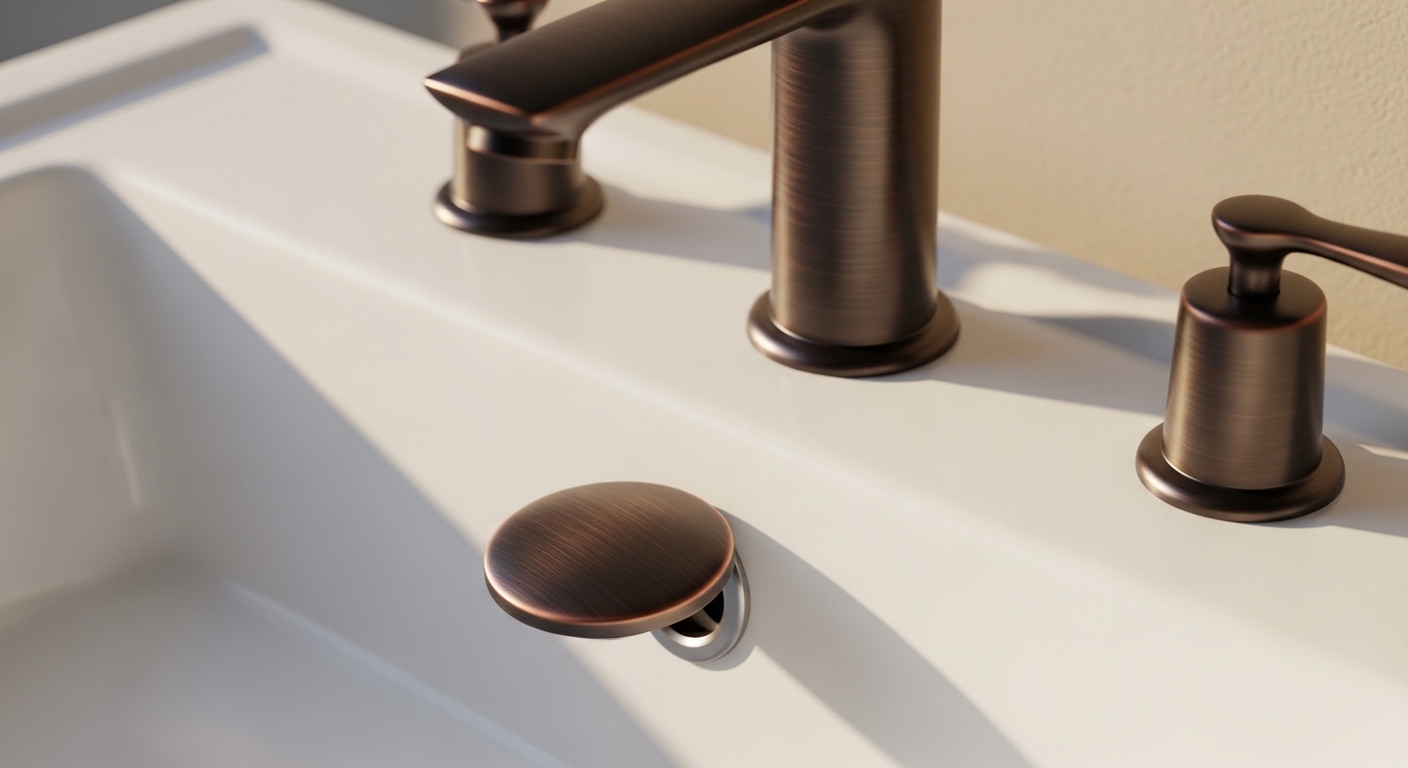
If you swapped a widespread faucet for a single-handle one, added a soap dispenser somewhere else, or removed a side sprayer, you’re probably staring at an empty hole in your sink or countertop — and an oil rubbed bronze faucet hole cover is the cleanest, cheapest way to fill it so it looks like it was always meant to be there. It’s a small metal plug (also called a sink hole cover or blank plug) that sits in the standard 1.25″–1.5″ deck hole and matches your faucet’s dark, warm-brown ORB finish. No re-plumbing, no epoxy, no drilling. Below I’ll walk through exactly how to pick one, size it, install it, and make sure the finish actually lasts.
What exactly is a faucet hole cover, and why would I need one?
A faucet hole cover is a small button-shaped metal cap that fills an unused mounting hole in a sink or countertop. You need one any time there’s a hole with nothing in it — most commonly after downsizing from a 3-hole faucet to a single-hole model, removing a side sprayer, deleting a soap dispenser, or covering a spot where an air gap or filter tap used to live.
Kitchen and bathroom sinks are typically punched with more holes than a given faucet uses. A standard sink deck comes with 1, 3, or 4 holes. The moment your new fixture uses fewer holes than the sink has, you’re left with a gap that collects water, gunk, and grime. A hole cover solves three problems at once:
- Looks: it hides the raw hole and gives the deck a finished, intentional look.
- Hygiene: it stops water, food debris, and soap scum from dripping down into the cabinet below.
- Protection: on some sink materials, an open hole exposes a raw cut edge to moisture — a cover shields it.
The oil rubbed bronze version simply carries the dark, hand-rubbed bronze finish so it disappears next to matching ORB faucets, drains, and cabinet hardware instead of standing out like a shiny silver dot.
What size faucet hole cover do I need — will it fit a standard sink?
Almost certainly yes. The vast majority of sink and countertop faucet holes are cut to a standard 1.25 inches (about 34–35 mm) in diameter, and most hole covers are built to plug exactly that. The cap on top is wider (usually 1.5″–2″) so it overlaps and hides the hole edge cleanly.
Here’s the quick way to check before you buy: measure the actual hole opening, not the cap. If your hole is around 1.25″–1.375″, a standard cover fits. Some older or oversized sinks use 1.5″ holes, and a few utility sinks go bigger — those need an adjustable or oversized cover. The key spec to read on any product page is the hole diameter range the cover accommodates, not just the visible cap size.
| Sink hole diameter | What it usually is | Cover type to buy |
|---|---|---|
| 1.25″ (34 mm) | Standard faucet/accessory hole | Standard ORB hole cover — fits most |
| 1.375″–1.5″ (35–38 mm) | Larger single-hole faucet cut | Adjustable cover with expanding bracket |
| 1.75″–2″+ | Oversized / commercial sink | Oversized blank plug or escutcheon-style cover |
If you’re not sure which faucet configuration you have in the first place, our guide on centerset vs. widespread faucets explains why sinks come with different hole counts — that context makes it obvious which holes you’ll be covering.
How do I install an oil rubbed bronze faucet hole cover myself?
You install it in about 5 minutes with no tools beyond your hands, and no plumbing at all. Most covers use an under-mount bracket: you drop the cover through the hole from above, then a threaded plate tightens from underneath to clamp it in place. That’s it.
Here’s the step-by-step:
- Clean the hole and deck. Wipe away old plumber’s putty, gunk, or mineral crust around the opening so the cover seats flat.
- Separate the cover from its mounting hardware. Most kits come as a top cap plus a rubber/silicone gasket and a threaded nut or wing bracket.
- Set the gasket. Place the rubber washer under the cap so it creates a watertight seal against the deck surface.
- Insert from the top. Push the cover’s shank down through the hole.
- Tighten from below. Reach under the sink and thread the nut or bracket up onto the shank, snugging it hand-tight until the cap sits flush and won’t spin.
- Wipe and check. Clean off fingerprints and confirm it’s level with the deck.
One tip: don’t overtighten. Hand-tight plus a small nudge is plenty. Cranking too hard can crack a ceramic sink or strip a plastic bracket. If your cover uses a top-mount design with a set screw instead, the same rules apply — snug, not gorilla-tight.
Will an oil rubbed bronze hole cover actually match my ORB faucet?
It will match well as long as you buy a living-finish or consistent-plated ORB cover from the same finish family — but “oil rubbed bronze” isn’t one single color, so a small mismatch is possible. ORB is a dark brown-black finish with warm copper undertones, and different manufacturers apply it with slightly different depth and highlight patterns.
Two things drive whether it blends in:
- Base metal: a solid brass cover takes ORB the same way a brass faucet body does, so the tone reads consistent. Zinc or plastic covers with a sprayed-on bronze look flatter and grayer.
- Living vs. sealed finish: true oil rubbed bronze is a “living finish” that darkens and lightens with wear at the high points. If your faucet is a living finish and your cover is a sealed lookalike, they may age differently over a few years.
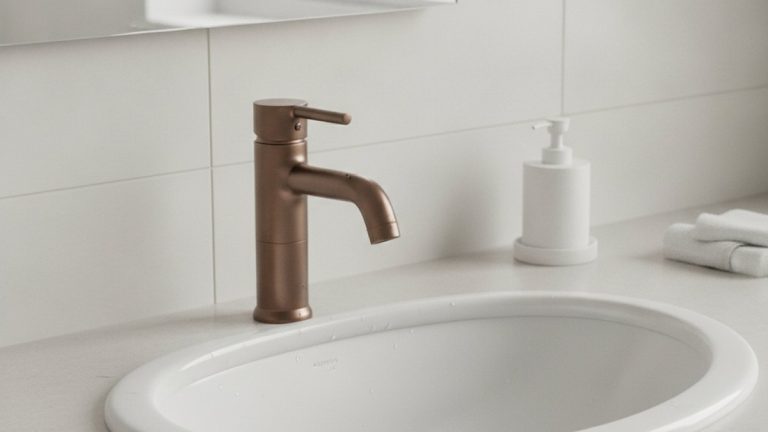
Best practice: match the cover to your existing faucet brand or finish family when you can, and buy from the same line if you’re mid-remodel. If you’re still deciding on the whole ORB setup, our breakdown of whether an oil rubbed bronze shower faucet with valve is worth buying covers how the finish behaves over time, and our local-buying guide on finding an oil rubbed bronze bathroom faucet that actually lasts is useful if you want the faucet and the cover to age in step.
Solid brass vs. zinc vs. plastic: which oil rubbed bronze hole cover lasts?
Solid brass lasts the longest, especially anywhere near water. Brass doesn’t rust, holds the ORB finish tightly, and feels substantial. Zinc-alloy covers are cheaper and fine for dry spots but can corrode if water pools around them for years. Plastic covers with a bronze-look coating are the least durable — the coating tends to fade or flake first.
| Material | Corrosion resistance | Finish longevity | Best for | Rough price |
|---|---|---|---|---|
| Solid brass | Excellent — won’t rust | Highest; true ORB adheres well | Kitchen & bath, wet zones | $10–$25 |
| Zinc alloy | Good if kept dry | Moderate | Occasional-use bathrooms | $6–$14 |
| Stainless steel | Excellent | Good, but ORB is a coating over steel | Wet zones, budget option | $7–$16 |
| Coated plastic/ABS | Fair | Lowest; coating can flake | Temporary or low-traffic fixes | $4–$9 |
For a kitchen sink that sees standing water and daily splashing, spend the few extra dollars on solid brass. For a rarely used guest bathroom, a good zinc or stainless cover is perfectly fine. The gap in price is small — usually under $15 either way — so durability is worth prioritizing.
How do I keep the oil rubbed bronze finish from wearing off?
Keep it simple: wipe it dry after use, clean it only with mild soap and water, and never touch it with anything abrasive or acidic. Oil rubbed bronze is a soft, layered finish — harsh chemicals and scrubbing pads are what strip it, not normal water contact.
Specifics that protect the finish:
- Avoid: vinegar, lime/rust removers, bleach, ammonia glass cleaners, and abrasive scrub pads. All of these attack ORB.
- Use: a soft cloth, warm water, and a drop of dish soap. Dry with a microfiber towel.
- Optional: a light coat of car wax or mineral oil once or twice a year to deepen the tone and add a moisture barrier.
Hard water is ORB’s other enemy — mineral crust builds up and tempts people to reach for aggressive cleaners. If your area has hard water, our guide on cleaning hard water stains from a faucet shows the gentle methods that won’t wreck the bronze while still removing scale.
Do I even need a hole cover, or should I get a soap dispenser instead?
If you actually use that spot, put a soap dispenser or filtered-water tap in it instead of a blank cover — a cover is the right call only when you truly don’t need a fixture there.
Think about it functionally. An empty deck hole is an opportunity:
- Blank hole cover — you want a clean, minimal deck and no extra fixtures. Cheapest, simplest.
- Matching ORB soap/lotion dispenser — you’d like a built-in pump that matches the faucet. Turns dead space into a feature.
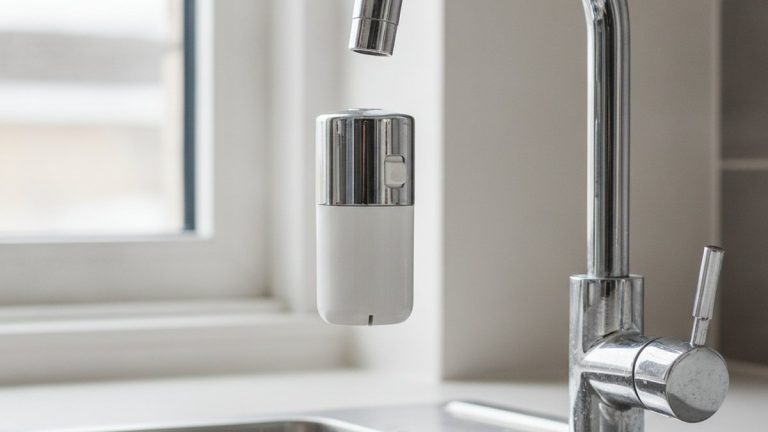
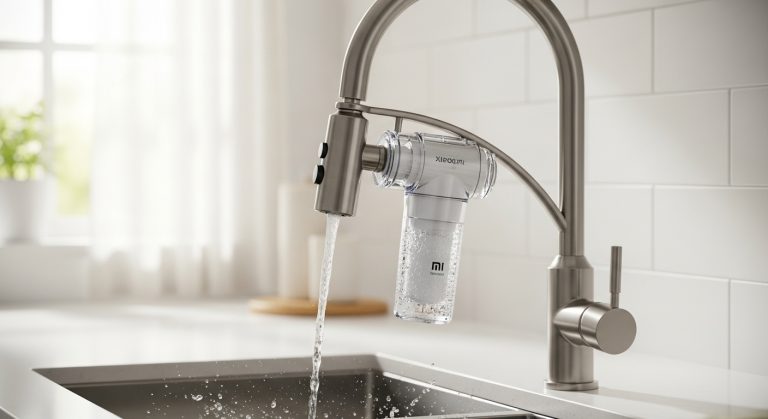
- Filtered-water or accessory tap — you drink filtered water or want a dedicated tap. If that appeals, see our overview of the faucet water filter hose to understand what fits a spare hole.
- Air gap / dishwasher fitting — required by code in some kitchens.
If none of those apply, the cover wins on simplicity and price. Just make sure the finish matches whatever you install, because a mismatched dispenser looks worse than a well-chosen blank cover.
Why buy the Afinion Home oil rubbed bronze faucet hole cover?
Our ORB hole cover is machined from solid brass, finished in a true oil rubbed bronze that’s tuned to match the Afinion Home faucet line, and fitted with an adjustable under-mount bracket that grips holes from 1.25″ up to 1.5″. That means one cover fits most standard sinks, and the finish ages in step with a matching Afinion faucet rather than drifting to a different tone.
Every finish we ship is tested against standard salt-spray corrosion and abrasion checks aligned with ASME/ANSI faucet-finish expectations, and the hole cover is backed by our finish warranty against flaking and peeling under normal use. It installs by hand in about five minutes — no plumber required.
FAQ
Can I use a faucet hole cover on a granite or quartz countertop, not just a sink?
Yes. As long as the drilled hole is a standard 1.25″–1.5″, the same under-mount bracket clamps to a stone countertop just like it does to a sink deck. Use the rubber gasket to protect the stone surface and don’t overtighten, since stone can chip under excessive pressure.
Will a hole cover stop water from leaking under my sink?
Yes, when installed with its gasket. The rubber or silicone washer seals against the deck so splashed water can’t run down into the cabinet. It’s not a plumbing seal for pressurized water — it just blocks surface splash — but that’s all an unused hole needs.
What’s the difference between a hole cover and a deck plate?
A hole cover fills one single unused hole, while a deck plate (escutcheon) is a long base that spans multiple holes under a single-handle faucet to hide 2–3 openings at once. If you’re covering the outer holes left by a widespread faucet, a deck plate may be the better tool — our guide on whether you need a deck plate explains when to choose which.
Is oil rubbed bronze going out of style for 2026?
No. ORB remains a popular warm, traditional finish that pairs well with farmhouse, transitional, and rustic bathrooms and kitchens. It’s less trendy than matte black but has a loyal following precisely because the living finish develops character over time instead of looking dated.
Can I remove the hole cover later if I want to add a fixture?
Absolutely. Because it clamps rather than glues in, you just loosen the nut underneath and lift it out. The hole is left exactly as it was, ready for a soap dispenser, sprayer, or filter tap whenever you change your mind — one reason a cover is a low-commitment choice.
Do all oil rubbed bronze finishes look the same across brands?
No — ORB varies from nearly black to a warmer brown with copper highlights depending on the maker and whether it’s a true living finish or a sealed coating. For the closest match, buy the cover from the same brand or finish family as your faucet.
Author note: This guide was written by the Afinion Home fixtures team, drawing on hands-on installation and finish-durability testing of kitchen and bathroom hardware. Afinion Home designs and sells faucets, shower systems, and sink accessories, and stands behind its finishes with a written warranty. Always confirm your exact hole diameter before ordering.
One Comment